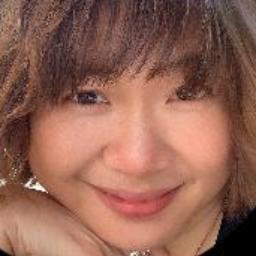
Fang Liu, PACFA
5 years in practice
Fang Liu is a PACFA counsellor who uses Jungian ideas alongside person-centred and emotionally focused work.
License and registration
- PACFA
- 29046 · expires June 2026
- Years in practice
- 5
- Languages
- English, Mandarin
Details are as listed on the therapist's public professional profile. You can check the registration with the body that granted it.
About Fang
Fang Liu is a PACFA counsellor who uses Jungian ideas alongside person-centred and emotionally focused work. She aims to help people find meaning in difficult moments and build practical skills to cope with daily stress. Sessions are offered in English and Mandarin and have a straightforward, respectful tone.
Fang has five years of professional experience supporting people facing anxiety, depression, trauma and addiction. She also helps with relationship strain, grief, career stress and issues around intimacy and self-esteem.
Background and approach
Her background includes work with people who have ADHD and autism spectrum differences. Her approach blends listening with gentle interpretation. Person-centred work gives the client space to tell their story.
Emotionally focused techniques help identify and shift patterns that cause ongoing pain. Jungian ideas are used to explore personal meaning and recurring themes that show up in dreams or life choices. Fang uses clear, practical tools from cognitive behavioural methods when helpful.
She will work with you to set goals and try approaches that suit your situation. Sessions are conversational and collaborative rather than prescriptive. People seeking support can expect warmth, patience and a focus on building coping skills.
Fang aims to help clients feel less overwhelmed and more able to manage change. She adapts the pace to each person and explains ideas in plain language.
Focus areas and approaches
Everything Fang lists on their public professional profile, in their own terms.
- Stress, Anxiety
- Relationship issues
- Trauma and abuse
- Career difficulties
- Depression
- Addictions
- LGBT
- Family conflicts
- Grief
- Intimacy-related issues
- Sleeping disorders
- Parenting issues
- Anger management
- Self esteem
- Bipolar disorder
- Coping with life changes
- Compassion fatigue
- ADHD
- Abandonment
- Attachment issues
- Autism and Asperger Syndrome
- Blended family issues
- Co-morbidity
- Communication problems
- Dissociation
- Divorce and separation
- Domestic violence
- Drug and alcohol addiction
- Emptiness
- Family of origin issues
- Family problems
- Fatherhood issues
- First responder issues
- Guilt and shame
- Immigration issues
- Intellectual disability
- Isolation / loneliness
- Men's issues
- Mood disorders
- Obsessions, compulsions, and OCD
- Panic disorder and panic attacks
- Post-traumatic stress
- Prejudice and discrimination
- Seasonal Affective Disorder (SAD)
- Self-harm
- Sexual assault and abuse
- Sexuality
- Social anxiety and phobia
- Workplace issues
- Young adult issues
Approaches Fang names
- Jungian Therapy
- Attachment-Based Therapy
- Client-Centered Therapy
- Cognitive Behavioral Therapy (CBT)
- Emotionally-Focused Therapy (EFT)
- Motivational Interviewing
- Somatic Therapy
- Trauma-Focused Therapy
- Internal Family Systems
- Systemic Therapy
Naming an approach is not evidence of training in it. This directory copies what each therapist lists and does not check training records.
Online support
How Jungian and Attachment Work Translate Online
Fang draws on Jungian therapy to look for themes, symbols and recurring patterns in a person's life and experience. This can help when relationships, dreams or repeated behaviours feel confusing or empty. Attachment-based work focuses on how early relationship experiences shape current connections and coping, which is useful for anxiety, intimacy issues and family of origin concerns.Finding the right approach is a collaborative process. Fang will discuss your needs, goals and preferences and suggest which methods to try first. Together you can adjust the focus as you learn what helps most, combining depth-oriented exploration with practical strategies when needed.
Online sessions are offered by video calls, phone sessions, live chat or text-based messaging to fit different routines. Video works well when visual cues and facial expressions help the work. Phone sessions can be useful when bandwidth is limited or you need a shorter check-in. Chat and messaging suit people who prefer typed communication or need flexible timing. These options make it easier to attend therapy around work, study or family commitments.
We will earn a commission if you sign up through our link, at no cost to you. It does not change what you pay or the order of the listings.
Questions people ask
What kinds of problems does Fang address?
She works with stress, anxiety, depression, trauma and addictions, as well as relationship and intimacy issues and problems with sleep and self-esteem.
What is her therapy style like?
Her style combines person-centred listening with emotionally focused work and Jungian perspectives, aiming for a mix of meaning-making and practical change.
How much experience does she have?
Fang has five years of professional work experience supporting people with a wide range of concerns, including bipolar disorder and structural dissociation.
What credential does she hold and where is she based?
She is PACFA and practices from Australia.
Can I work with her if I speak Mandarin?
Sessions are offered in English and Mandarin but international clients are not currently accepted.
Which session formats are available?
Therapy is available by video calls, phone sessions, live chat or text-based messaging to suit different needs and schedules.
How are fees and payments handled?
Cost varies with location and therapist availability; sessions use a subscription that can be cancelled at any time.
How do I begin working with Fang?
Select the Start Therapy button, complete a short matching questionnaire, and schedule sessions according to therapist availability.
Is this your profile?
Ask us to correct details or take the page down.
Contact us