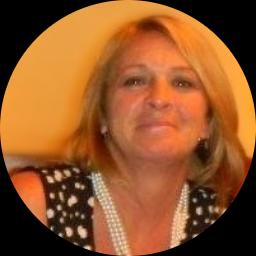
Patricia Montanari, LMHC, LPCC
Florida · 16 years in practice
Patricia Montanari is a licensed mental health counselor who uses Jungian ideas alongside practical therapies to help people make sense of hard problems.
License and registration
- LMHC, Florida
- MH15998 · expires March 2027
- LPCC, New Mexico
- CTB-2023-0327 · expires September 2026
- NPI
- 1366757304 · national provider identifier
- Years in practice
- 16
- Languages
- English
Details are as listed on the therapist's public professional profile. You can check the license with the issuing state board, and the NPI with the national registry.
About Patricia
Patricia Montanari is a licensed mental health counselor who uses Jungian ideas alongside practical therapies to help people make sense of hard problems. She brings 16 years of experience and a calm, down-to-earth presence to sessions. Patricia is based in Florida and works in English.
Her approach blends exploration of inner meaning with hands-on strategies. Clients can expect work on thoughts and behaviors, plus space to look at patterns that repeat in relationships and life.
Background and approach
Common topics she addresses include stress, anxiety, depression, addictions, and coping with big life changes. Patricia has broad clinical experience in community settings, home-based work, and group therapy. That background shaped her comfort working with complex concerns such as personality disorders, co-occurring substance issues, and trauma related problems.
She also supports people facing parenting challenges, bipolar mood swings, and ADHD-related struggles. In sessions she draws from Cognitive Behavioral Therapy, Acceptance and Commitment Therapy, attachment-based ideas, and client-centered listening. The aim is to match practical steps with deeper understanding so clients gain coping tools and insight.
Work can include talking, skills practice, and identifying life patterns. Outside of therapy she values family time, travel, swimming, music, and reading. She holds a Master of Arts in Counseling and Guidance and carries the credentials LMHC and LPCC.
Her mission is to provide a relaxed, supportive atmosphere while helping people find clearer ways forward.
Focus areas and approaches
Everything Patricia lists on their public professional profile, in their own terms.
- Stress, Anxiety
- Addictions
- Relationship issues
- Anger management
- Self esteem
- Family conflicts
- Trauma and abuse
- Parenting issues
- Bipolar disorder
- Depression
- Coping with life changes
- ADHD
- Body image
- Communication problems
- First responder issues
- Guilt and shame
- Infidelity
- Isolation / loneliness
- Jealousy
- Multicultural concerns
- Obsessions, compulsions, and OCD
- Panic disorder and panic attacks
- Personality disorders
- Phobias
- Post-traumatic stress
- Process addiction (porn, exercise, gambling)
- Self-love
- Sex addiction
- Sexual dysfunction
Approaches Patricia names
- Jungian Therapy
- Acceptance and Commitment Therapy (ACT)
- Attachment-Based Therapy
- Client-Centered Therapy
- Cognitive Behavioral Therapy (CBT)
- Dialectical Behavior Therapy (DBT)
- Emotionally-Focused Therapy (EFT)
- Gottman Method
- Imago Relationship Therapy
- Mindfulness Therapy
- Motivational Interviewing
- Narrative Therapy
- Psychodynamic Therapy
- Solution-Focused Therapy
- Trauma-Focused Therapy
- Internal Family Systems
Naming an approach is not evidence of training in it. This directory copies what each therapist lists and does not check training records.
Online support
Approach and options for online therapy
Patricia combines Jungian-informed exploration with Acceptance and Commitment Therapy to support emotional work and practical change. Jungian-informed work looks at recurring life patterns and inner symbolic themes to help people understand why they repeat certain behaviors or feel stuck. Acceptance and Commitment Therapy focuses on noticing thoughts and feelings, clarifying values, and taking committed steps toward a meaningful life while learning new coping moves.She also draws on Attachment-Based ideas to look at how early relationships shape current patterns and connection styles. That work can help people improve communication, rebuild trust, and reduce reactivity in close relationships. The therapist and client decide together which approaches fit the person’s goals and preferences, so treatment stays collaborative and tailored to real needs.
Online sessions are offered by video calls, phone sessions, live chat, or text-based messaging to make therapy more flexible. Video calls allow face-to-face conversation and shared exercises, phone sessions can be easier when bandwidth is limited, live chat works for shorter check-ins, and messaging supports ongoing reflection between sessions. These options help people fit therapy into work, family, and daily life while trying different ways of working together.
We will earn a commission if you sign up through our link, at no cost to you. It does not change what you pay or the order of the listings.
Questions people ask
What concerns does Patricia commonly help with?
She works with stress, anxiety, depression, addictions, relationship problems, anger, and self-esteem issues. Additional areas include parenting, trauma and abuse, bipolar mood concerns, ADHD, and coping with life changes.
What is her general therapy style?
Her style combines Jungian-informed exploration with practical therapies like CBT and ACT. Sessions usually mix listening, skill-building, and looking at recurring life patterns.
What is her clinical background and experience?
She has 16 years of experience working in community mental health, home-based services, group settings, and independent practice. That experience includes work with complex and co-occurring disorders.
What credentials and location apply to her practice?
She holds the credentials LMHC and LPCC and has a Master of Arts in Counseling and Guidance. She practices in Florida.
Which languages are used in sessions and are international clients served?
Sessions are offered in English. International clients are not currently accepted.
What formats are available for sessions?
Sessions can be conducted by video calls, phone sessions, live chat, or text-based messaging. These options let people choose what fits their schedule and needs.
How does cost and payment work?
Cost varies with location and therapist availability. Sessions use a subscription model that can be canceled at any time.
How do I begin the process?
Start by selecting the Start Therapy button and completing a short matching questionnaire. After that, schedule sessions according to therapist availability.
More therapists in Florida
See allLinda Losi
LCSW
Experienced therapist blending insight and practical tools
- Stress, Anxiety
- Addictions
- LGBT

Pamela Johnson
LCSW
Experienced LCSW blending Jungian and practical methods
- Stress, Anxiety
- Addictions
- Trauma and abuse

Faryal Choudry
LCSW
Calm, practical support for everyday struggles
- Stress, Anxiety
- Addictions
- Relationship

Bonnie Christensen
LMHC
Compassionate guidance for worn-out, responsible people
- Stress, Anxiety
- Relationship
- Grief

Is this your profile?
Ask us to correct details or take the page down.
Contact us