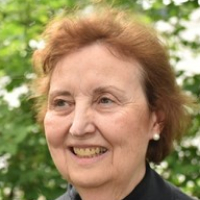
Elizabeth Huntoon
LICSW
Therapist blending depth work with practical tools
- Stress, Anxiety
- Addictions
- LGBT
Clinical social work directory
24 therapists in this directory list Licensed Independent Clinical Social Worker (LICSW). Registration details are shown as each therapist lists them; the body's own public register is the place to check a number.
A Licensed Independent Clinical Social Worker (LICSW) is a mental health professional who has completed graduate social work education, supervised clinical experience, and state licensure to provide psychotherapy and related clinical services. Browse the verified LICSW therapists listed below to view profiles, practice approaches, languages, and areas of focus to help you identify clinicians who match your needs.
LICSW
Therapist blending depth work with practical tools
LICSW, LCSW
Healing through meaning and practical skills
LICSW
Therapist blending depth and practical work
LICSW
Guided support for life transitions and stress
LMSW, LICSW
Jungian-informed social worker blending mindfulness and CBT
LCSW, LICSW
Experienced Ohio social worker supporting change
LICSW
Compassionate therapy focused on personal strengths
LCSW, LICSW
Therapist blending practical tools and depth
LICSW
Guide toward personal growth and meaning
LICSW, LCSW
Compassionate therapist blending meaning and practical tools
LICSW
A practical, creative guide through life changes
LICSW
Insightful care grounded in practical steps
LICSW
Compassionate, practical care for everyday challenges
LICSW
Calm, practical support for life’s hard moments
LCSW, LICSW
Cultivating connection and authentic living
LICSW, LCSW
Experienced clinician blending practical and depth work
Some links on this page are partner links. We will earn a commission if you sign up through one, at no cost to you. It does not change what you pay or the order of the listings.
When you see the LICSW credential it signals a specific professional pathway grounded in social work education and clinical practice. Most LICSWs complete a master's degree in social work that emphasizes clinical practice, theory, and ethics. After graduate study, clinicians complete a period of supervised practice under a qualified supervisor to gain direct experience providing assessment, treatment planning, and psychotherapy. State licensure requirements vary, but the LICSW designation generally indicates that a social worker has met the jurisdictional standards for independent clinical practice and has met requirements for ongoing professional conduct.
The LICSW title communicates that a clinician has both advanced social work training and supervised clinical experience recognized by their state board. That combination often means the clinician is credentialed to work with a wide range of mental health concerns, coordinate care with other providers, and use clinical judgment in developing treatment plans. Because licensure rules differ across states, the specific privileges associated with LICSW status can vary - your state licensing board can clarify exact scope and terms.
In practical terms an LICSW frequently provides assessment, psychotherapy, case conceptualization, crisis intervention, and care coordination. You can expect an LICSW to address both individual symptoms and the broader social or environmental factors that affect wellbeing. This systems-oriented perspective is a hallmark of social work training and often shapes how clinical goals are prioritized and pursued.
If you are comparing credentials, note that psychologists typically hold a doctoral degree and may focus on psychological testing and research-informed assessment in addition to therapy. Psychiatrists are medical doctors who can prescribe medication and manage medical aspects of treatment. Licensed professional counselors and marriage and family therapists have different graduate training and licensure pathways; each brings strengths tied to their educational focus. What sets LICSWs apart is that clinical social work training intentionally bridges psychotherapy with attention to social context, systems of care, and resource navigation.
LICSWs practice across a broad spectrum of clinical areas. Many identify specialties such as trauma, grief and loss, child and adolescent therapy, family systems, substance-related concerns, perinatal mental health, and chronic illness adjustment. Because social work emphasizes context, you will also find LICSWs working with clients on issues related to housing, employment stressors, caregiving challenges, and community resources that affect overall wellbeing.
Therapists with an LICSW often describe a range of theoretical approaches in their profiles. You might encounter clinicians who list psychodynamic, humanistic, cognitive-behavioral, Jungian, systems-oriented, or integrative approaches among their methods. Some therapists list EMDR among their approaches or include mindfulness-based interventions, while others describe a focus on relational patterns or culturally informed practice. Because directory profiles reflect how clinicians describe their work, these listings can help you identify potential fit without implying specific certifications.
If you want to confirm licensure, the most reliable source is the state licensing board that issues social work licenses. Most boards maintain online lookup tools where you can search by name or license number to check the current status, the exact credential title, and any public disciplinary information. This step helps you confirm that the credential is active in the state where the clinician practices and that they meet the board's requirements for independent clinical practice.
Beyond the licensing board, you can look at educational background and professional membership information provided in a clinician's profile. Many LICSWs list their graduate program and supervisory experience; you can verify that a school is accredited by checking the school or accrediting body. If you have questions about specific educational claims or past practice history, ask the clinician directly for clarification about their training and experience. Doing a little verification can give you confidence in how a clinician presents their credentials and focus areas.
Choosing an LICSW can mean engaging with a clinician trained to view concerns in the context of family, community, and social systems. You may find that LICSWs emphasize practical supports and connections to community resources in addition to therapeutic work. Their training often includes skills in case management and advocacy, which can be especially helpful when life stressors intersect with mental health needs. The systems perspective can be valuable if your situation involves multiple domains - for example, work stress, family dynamics, and external barriers to care.
When you are looking for a match, start by reviewing profiles to note focus areas, therapeutic approaches, and languages offered. Think about the issues that matter most to you - whether you prefer relational, insight-oriented work, structured skills practice, or attention to social and community factors - and look for clinicians who describe that emphasis. Consider asking about session format, fees, and whether the clinician has experience working with people who share your background or life circumstances. It can help to read how a clinician talks about their approach to get a sense of whether their style resonates with you. Finally, remember that the therapeutic relationship itself shapes outcomes; feeling heard and respected is a central part of finding the right fit.
Choosing a clinician is a personal decision. Use licensure verification and profile information as tools to narrow your search, and prioritize connection and alignment in approach when making a choice. Whether you are seeking short-term support or deeper therapeutic work, understanding what an LICSW represents can help you make informed decisions about who may be the best match for your needs.