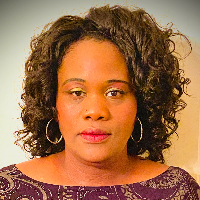
David Diana
LPC
Finding meaning and movement through life transitions
- Stress, Anxiety
- Grief
- Self esteem
Clinical social work directory
9 therapists in this directory hold a licence issued in South Carolina and name Jungian therapy among their approaches. Sessions are online; a US therapist can usually only see people in a state where they hold a licence, so check the credentials panel on each profile.
Welcome to the Jungian Therapy Directory page for online therapists serving South Carolina. All therapists listed here are licensed and describe Jungian and other approaches. Explore therapist profiles to compare credentials, focus areas, languages, and experience that match what you are looking for.
LPC
Finding meaning and movement through life transitions
LPC
Compassionate, practical counseling for life’s hard moments
LISW-CP, LCSW
Therapist guiding practical insight and growth
LPC
Experienced counselor blending depth and practical tools
LPC
Warm, collaborative counseling for life changes
LPC
Compassionate, practical therapy with reflective depth
LPC
Compassionate counselor blending depth and practical tools
LPC
Steady, experienced support for intense emotions
LPC
Jungian-informed counselor blending practical therapy
Some links on this page are partner links. We will earn a commission if you sign up through one, at no cost to you. It does not change what you pay or the order of the listings.
Online therapy has become a common way for people in South Carolina to access mental health care without the need to travel to an office. Many licensed clinicians provide services by video or phone so that you can meet with them from your home, workplace, or another location. If you are physically located in South Carolina when you receive services, the clinician typically needs to hold a South Carolina license to practice with you. That requirement helps ensure there is a regulatory pathway for oversight and for any questions about professional conduct.
The directory focuses on therapists who list Jungian approaches alongside other orientations, and you will also find clinicians who list cognitive, psychodynamic, trauma-informed, and other methods among their approaches. Listing an approach is an indication of the methods a therapist highlights in their profile; it is not proof of any specific certification. When you review profiles, you can pay attention to credentials, years of experience, areas of clinical focus, and languages spoken to find a match for your needs.
One of the main benefits of online therapy is convenience. If you live in a rural area or work long hours, meeting with a therapist online can remove the time and cost of commuting. That flexibility allows you to fit therapy into your day more easily and to maintain continuity of care when life circumstances change. You can also access clinicians who list niche specializations, including those who list Jungian approaches or who list EMDR among their approaches, even if those clinicians are not located near you.
Online sessions also expand the pool of therapists you can consider when you are seeking a particular language or cultural competence. For many people, being able to choose a therapist who shares linguistic or cultural background can make it easier to discuss sensitive topics and to feel understood. At the same time, online therapy has practical considerations - you will want to arrange a quiet and quiet space for sessions, use a reliable internet connection or phone line, and be prepared for the different dynamics of communicating through a screen or call.
Online therapists in South Carolina address a wide range of concerns. Many people seek therapy for anxiety, depression, stress, grief, and life transitions such as career change or relationship shifts. Couples and family matters are also commonly addressed through teletherapy when both parties are comfortable with an online format. You will find clinicians who list Jungian approaches and those who list other orientations that emphasize meaning, symbols, and personal development, which can be helpful if you are interested in exploring dreams, life narratives, or identity work.
Therapists who list trauma-informed methods or who list EMDR among their approaches often work with survivors of trauma, though listing an approach does not confirm training. Other areas frequently supported through online sessions include parenting challenges, workplace stress, school-related concerns, and assistance navigating chronic health conditions and their emotional impact. If you have a specific concern, look for profiles that describe experience with similar issues and explain how the clinician frames treatment and goals.
Verifying a therapist’s license is an important step when you are selecting an online clinician. Start by noting the license type on a therapist’s profile, such as licensed professional counselor, licensed clinical social worker, marriage and family therapist, or psychologist. Each license has a governing board or division within the state that oversees credentialing and discipline. You can visit the South Carolina state licensing website or the appropriate professional board page to search by a clinician’s name or license number and confirm current status, expiration date, and any public disciplinary actions.
If a therapist lists out-of-state licenses or multiple credentials, remember that practicing with a client who is physically in South Carolina typically requires a South Carolina license. If you have questions about a license listing or you see any unclear information on a profile, contact the state board for clarification. The board can provide official verification and guidance on what each license permits. Keeping a record of the license verification, including the board’s listing or confirmation, can help you feel more informed when moving forward.
Beginning online therapy often starts with clarifying your goals. Think about what you hope to address in therapy, whether that is symptom relief, processing particular events, improving relationships, or exploring deeper personal growth. Use those goals to guide your search. When you read therapist profiles, pay attention to the credentials they list, the issues they describe working with, the therapeutic approaches they highlight, the populations they mention, and the languages they offer. These details help you assess whether a therapist’s orientation and experience align with your needs.
When you reach out to a therapist, you can ask about their approach to the issues that matter to you, how they typically structure sessions, and what a few initial sessions might focus on. You can also inquire about logistics such as session length, fee structure, and whether they provide documentation needed for insurance or employer reimbursement. Since online therapy relies on technology, prepare a reliable device and plan for a quiet quiet space where you can speak openly. Consider your preferences for camera use, note-taking, and boundaries around electronic communication between sessions. Finally, have a basic plan for urgent situations - know local emergency numbers and identify someone who can help in your area if immediate, in-person assistance becomes necessary. These steps will help you start with clarity and reduce stress as you begin working with a new clinician.
Choosing the right therapist is a personal decision. You will likely know within a few sessions whether the clinician’s style, questions, and way of working put you at ease and help you make progress toward your goals. If a particular clinician lists Jungian or other approaches that resonate with you, that may be a helpful reason to contact them. Focus on credentials, focus areas, therapeutic approach, languages, and the general rapport you sense in initial conversations rather than operational details you cannot confirm from a directory page. Taking a thoughtful approach to these elements increases the chance you will find a working relationship that supports your needs in South Carolina.