Clinical social work directory
Therapists in Georgia
38 therapists in this directory hold a licence issued in Georgia and name Jungian therapy among their approaches. Sessions are online; a US therapist can usually only see people in a state where they hold a licence, so check the credentials panel on each profile.
Welcome to our directory of online therapists serving Georgia. All therapists listed here hold a Georgia license; explore profiles to compare approaches, credentials, languages, and more.


Kay Ibarra
LPC
Experienced LPC blending depth and practical tools
- Stress, Anxiety
- Self esteem
- Depression
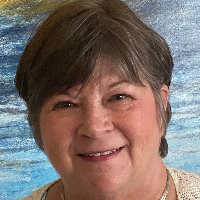
Christy Bell
LPC
Practical, Jungian-informed care for life’s hard moments
- Stress, Anxiety
- Trauma and abuse
- Grief


Theresa Fillingim
LPC
Practical, empathic counseling with depth
- Stress, Anxiety
- Addictions
- Trauma and abuse

Precious Douse
LPC
Compassionate therapy focused on personal growth
- Stress, Anxiety
- Relationship
- Trauma and abuse

Prof. Ara Trembly
LPC
Compassionate counselor blending practical tools and depth
- Stress, Anxiety
- Relationship
- Parenting

Evanye Lawson
LPC
Sex and relationship therapy with direct compassion
- Stress, Anxiety
- Relationship
- Intimacy-related issues

Deborah Brehm
LPC
Therapist focused on relationships and meaning
- Stress, Anxiety
- Family
- Trauma and abuse

Geraldine (Geri) Godbolt
LPC
Empathic counselor blending insight and skills
- Stress, Anxiety
- Trauma and abuse
- Self esteem

Dr. Sandra Madaris
LCSW, CSW
Respectful, practical therapy for complex struggles
- Addictions
- Trauma and abuse
- Anger


Haley Champion
LPC
Compassionate, practical support for life transitions
- Stress, Anxiety
- Relationship
- Family



Oliver Harper
LPC
Depth-oriented counselor who uses practical skills
- Stress, Anxiety
- Addictions
- Trauma and abuse

Samantha Hodges
LPC
Practical therapy for adults seeking change
- Stress, Anxiety
- Self esteem
- Coping with life changes

Courtney Chandler
LPC
Warm, practical care for teens and adults
- Stress, Anxiety
- Trauma and abuse
- Anger

Donna Thompson-Lisiecki
LPC
Experienced counselor who asks for honest effort
- Stress, Anxiety
- Addictions
- Anger

Phaciealeethas (PJ) Chandler
LPC
Compassionate guide for personal insight
- Stress, Anxiety
- Anger
- Self esteem

Patricia Williams
LPC
Calm guidance for life’s difficult changes
- Stress, Anxiety
- Parenting
- Self esteem


Amanda Lovin
LPC
Compassionate counselor blending depth and skills
- Stress, Anxiety
- Relationship
- Trauma and abuse

Dr. Robert Spaulding II
LPC
Practical, seasoned counselor for complex challenges
- Relationship
- Trauma and abuse
- Anger




Quencina Gardner
LPC
Transforming stress into clearer direction
- Stress, Anxiety
- Relationship
- Trauma and abuse

Angelica Jordan
LPC
Therapist blending meaning and practical skills
- Stress, Anxiety
- Relationship
- Trauma and abuse

Tracey Byram
LPC
Experienced counselor with Jungian perspective
- Stress, Anxiety
- Trauma and abuse
- Bipolar
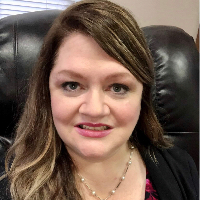
Carol Tallant
LMHC, LPC
Compassionate therapy for trauma and life change
- Stress, Anxiety
- LGBT
- Trauma and abuse

Shavonna Peterson
LPC
Compassionate, practical therapy for life challenges
- Stress, Anxiety
- Relationship
- Family

Sandra Vaughn
LPC
Compassionate counselor blending depth and practicality
- Stress, Anxiety
- Addictions
- Relationship
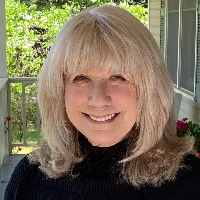

Andrea Ferrara
LPC
Calm, practical help for everyday struggles
- Stress, Anxiety
- Addictions
- Relationship

Alexandra Pajak
LCSW
Compassionate, practical therapy for difficult moments
- Stress, Anxiety
- Addictions
- Family

Dr. John Wright
LPC
Compassionate counselor focused on meaning and growth
- Stress, Anxiety
- Relationship
- Self esteem

Some links on this page are partner links. We will earn a commission if you sign up through one, at no cost to you. It does not change what you pay or the order of the listings.
Overview of online therapy availability in Georgia
If you live in Georgia, you will find that online therapy has become a common option for many people seeking help with emotional, relational, and life-goal concerns. A broad range of clinicians offer video or phone sessions that allow you to work with someone from across the state while staying in your own home or another comfortable environment. Many therapists on this directory list Jungian approaches alongside other forms of psychotherapy, and you can search profiles to see which approaches and populations a clinician emphasizes. Because regulations generally require therapists to hold licensure where you live, the clinicians shown here maintain Georgia licensure so they can provide services to state residents.
The technical setup for online therapy is often straightforward - a webcam and a stable internet connection or a phone can be enough to begin. Therapists vary in how they structure remote sessions, with some offering predominantly video meetings and others offering phone-based or blended formats. Platform features may include messaging between sessions, shared documents, or simple appointment scheduling. When you browse, you will see information about session format, languages spoken, and the therapeutic approaches therapists list so you can find a good match for your needs.
Benefits of online therapy for Georgia residents
Online therapy offers practical advantages that can make it easier to fit mental health support into a busy life. You can reduce or eliminate travel time, which helps if you live in a rural county or face frequent transportation challenges. Remote sessions may also allow you to maintain continuity of care when work, schooling, or family obligations make regular in-person visits difficult. For caregivers, shift workers, and people with mobility limitations, an online option can expand access in meaningful ways.
Beyond convenience, online therapy can widen your choices because it allows you to connect with clinicians who specialize in particular approaches or populations that might not be available nearby. If you prefer a therapist who lists Jungian work, or one who lists particular trauma-informed or relational approaches, you can review profiles across the state. Many people also find that the relative familiarity of being in your own space helps them focus and share more openly early in the work. It is helpful to prepare a quiet, uninterrupted area for sessions and to test your device and connection in advance so technology becomes part of the conversation rather than a distraction.
What types of issues online therapists in Georgia commonly help with
Therapists in Georgia provide support for a broad range of concerns that affect daily functioning and wellbeing. You can seek help for mood-related challenges such as persistent sadness, low energy, or anxiety that interferes with work or relationships. Relationship issues - including couples counseling, family transitions, and communication difficulties - are commonly addressed in online formats that allow participants to join from separate locations. Therapists also work with grief and bereavement, life transitions like retirement or starting a family, and the stress that accompanies major moves or career changes.
Many clinicians list experience working with trauma-related concerns and stress responses, and you can identify therapists who list those approaches among their offerings. People frequently seek online support for identity-related needs, including LGBTQ+ issues, cultural adjustment, and experiences related to race or ethnicity. Therapists may also address coping with chronic medical conditions, caregiving strain, or parenting challenges. Because each clinician’s focus varies, reading profiles will help you see which approaches and populations a therapist highlights and whether that aligns with what you want to work on.
How to verify a therapist's license in Georgia
Before beginning work with an online therapist, you may want to confirm that they hold an active Georgia license. You can do this by using the state’s professional licensing search tool. Enter the clinician’s name and review the license type listed, the license status, and any public record items that appear. License records typically show the license class, original issue date, expiration date, and whether there are disciplinary actions on record. These public details help you confirm that the clinician meets the state’s basic licensing requirements for providing counseling or related services to Georgia residents.
If you have questions about the license information you find, you can contact the relevant Georgia licensing board for clarification. Board staff can explain how to interpret the public record entries and what different license categories mean for practice scope. Remember that profiles in this directory indicate that listed clinicians hold Georgia licensure, and checking the state database is a practical step to verify the public information for your own peace of mind. Keeping a quick screenshot or note of the license summary can also be helpful for your records when you begin a working relationship.
How to get started with an online therapist and tips for choosing the right fit
Taking the first step
Begin by clarifying what you hope to work on and what matters most in a therapeutic relationship - for example, a particular therapeutic approach, cultural background, language, or practical considerations like session length and fees. Use the directory filters to find clinicians who list the approaches and languages that matter to you. Read profiles to learn about education, credentials, therapeutic approaches listed, and the populations a therapist emphasizes. Many profiles include short descriptions of clinical interests and what a person might expect from sessions, which can help you narrow options.
Questions to ask before you start
When you contact a clinician, you can ask about their approach in more detail and how they typically structure online sessions. It is appropriate to ask about session format - whether they use video or phone - and what platform they use, along with any instructions for getting connected. Ask about typical session length and the therapist’s policy on fees and cancellations. If insurance or reimbursement matters to you, ask whether they accept particular insurers or provide documentation for out-of-network claims. You can also inquire about language fluency and experience working with specific populations so you can assess cultural fit.
Evaluating fit after initial sessions
After a first session or two, reflect on how comfortable you felt talking and whether the therapist’s style matched what you were hoping for. Rapport is an important part of therapy - you should feel heard and understood in ways that help you pursue your goals. If something feels off, it is okay to discuss it with the clinician or to continue your search for someone whose approach and interpersonal style resonate more closely with your needs. A successful match is often based on both clinical approach and personal comfort, so give yourself permission to find the right fit over several conversations.
Practical tips for online sessions
Choose a quiet, distraction-free area where you can speak comfortably and arrange for minimal interruptions. Consider whether you prefer video or phone, and test your device and internet connection before a scheduled meeting so technical issues are less likely to interrupt the session. Be mindful of privacy in your surroundings and use headphones when possible to protect your personal information audibly. Keep a notepad of topics or goals you want to address during sessions so your time is focused and productive. Over time, you can adjust the logistics and approach in collaboration with your therapist to find a rhythm that supports your progress.
Finding a therapist who is a good match takes a little time, but the directory is designed to help you compare profiles across Georgia. By clarifying your priorities, checking licensure, and asking direct questions about approach and logistics, you can make an informed choice about the clinician who best supports your work. Start by exploring profiles and reach out to clinicians whose descriptions align with what you want to address - that first step often opens the way to meaningful progress.