
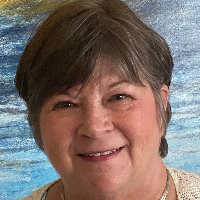
Deborah Brehm, LPC
Georgia · 21 years in practice
Deborah Brehm is a Licensed Professional Counselor (LPC) practicing in Georgia with 21 years of clinical experience.
License and registration
- LPC, Georgia
- LPC004328 · expires September 2026
- NPI
- 1851510051 · national provider identifier
- Years in practice
- 21
- Languages
- English
Details are as listed on the therapist's public professional profile. You can check the license with the issuing state board, and the NPI with the national registry.
About Deborah
Deborah Brehm is a Licensed Professional Counselor (LPC) practicing in Georgia with 21 years of clinical experience. She centers sessions on each person who comes to her, tailoring focus whether someone wants to work on their own life, a partnership, or parenting relationships. Her approach emphasizes listening and steady support while helping clients find clearer direction.
Deborah uses several therapy styles to meet different needs, including Jungian therapy and attachment-based work.
Background and approach
She aims to help people understand patterns that affect their relationships and emotional life. Sessions are practical and paced to each person’s comfort. Clients bring many concerns, such as stress, anxiety, depression, trauma and abuse, parenting strain, relationship and intimacy issues, anger, and low self-esteem.
She also addresses harder life situations like grief, divorce, domestic violence, caregiving stress, and coping after disasters. Deborah will work with mood concerns including bipolar disorder and ongoing challenges like codependency and dissociation. Her background includes a Specialist degree in psychological trauma from Georgia State University and long experience in independent practice.
Deborah applies client-centered methods alongside emotionally focused and existential approaches to help people find meaning and improve connections. Sessions are offered in English and are available in multiple online formats. She accepts international clients and adapts session style to fit each person’s goals and life circumstances.
Focus areas and approaches
Everything Deborah lists on their public professional profile, in their own terms.
- Stress, Anxiety
- Family conflicts
- Trauma and abuse
- Parenting issues
- Compassion fatigue
- Relationship issues
- Intimacy-related issues
- Anger management
- Self esteem
- Career difficulties
- Bipolar disorder
- Depression
- Coping with life changes
- Adoption and foster care
- Aging and geriatric issues
- Attachment issues
- Blended family issues
- Caregiver issues and stress
- Codependency
- Control issues
- Coping with natural or human-caused disaster
- Dissociation
- Divorce and separation
- Domestic violence
- Emptiness
- Family problems
- First responder issues
- Forgiveness
- Guilt and shame
- Hospice and end-of-life counseling
- Life purpose
- Midlife crisis
- Veteran and Armed Forces Issues
- Mood disorders
- Obsessions, compulsions, and OCD
- Panic disorder and panic attacks
- Paranoia
- Postpartum depression
- Post-traumatic stress
- Self-harm
- Self-love
- Sexual assault and abuse
- Social anxiety and phobia
- Women's issues
- Young adult issues
Approaches Deborah names
- Jungian Therapy
- Attachment-Based Therapy
- Client-Centered Therapy
- Emotionally-Focused Therapy (EFT)
- Existential Therapy
- Gottman Method
- Psychodynamic Therapy
- Trauma-Focused Therapy
- Internal Family Systems
Naming an approach is not evidence of training in it. This directory copies what each therapist lists and does not check training records.
Online support
How therapeutic approaches translate to online care
Jungian therapy looks at personal stories, dreams, and symbols to help people name life patterns and deep feelings. It can be useful for people facing emptiness, identity questions, or recurring relationship themes.Attachment-Based Therapy focuses on how early bonds shape adult relationships and emotional responses. This approach helps people who struggle with closeness, trust, or repeated conflicts in partnerships and families.
Finding the right approach is part of the work together. The therapist will listen to symptoms, goals, and preferences and then suggest which methods to try. Clients and therapist decide collaboratively and adjust methods over time as needed.
Online therapy offers several practical benefits. Video calls let the therapist and client meet face to face when schedules or distance make in-person visits difficult. Phone sessions require less bandwidth and can be easier when being on camera is tiring. Live chat and text-based messaging support brief check-ins, ongoing reflection, or shorter sessions between real-time meetings. These options make it easier to fit therapy into work, caregiving, or travel routines while keeping treatment consistent and focused.
We will earn a commission if you sign up through our link, at no cost to you. It does not change what you pay or the order of the listings.
Questions people ask
What kinds of problems does she help with?
She works with stress, anxiety, depression, trauma and abuse, parenting concerns, relationship and intimacy issues, anger, and self-esteem. Additional areas include caregiving stress, adoption and foster care concerns, divorce, and coping after disasters.
What is her therapy style like?
Sessions are person-centered and relational with a focus on understanding patterns in feelings and behavior. She combines attachment-based ideas with emotionally focused and Jungian perspectives to help people make sense of their experience.
How long has she been practicing?
She has 21 years of clinical experience working in independent practice and with trauma-related issues. That experience shapes her approach to common and complex life concerns.
What credentials and where is she based?
She is a Licensed Professional Counselor (LPC) licensed in Georgia and practices from that state. Her training includes a Specialist degree in psychological trauma from Georgia State University.
Are sessions available in other languages or internationally?
Sessions are offered in English. She does accept international clients.
Which session formats are offered?
She offers video calls, phone sessions, live chat, and text-based messaging to accommodate different schedules and communication preferences.
How are fees handled?
Cost varies with location and therapist availability. Sessions use a subscription model that can be canceled at any time.
How do I begin therapy?
Start by selecting the Start Therapy button, complete a short matching questionnaire, and then schedule sessions according to therapist availability.
More therapists in Georgia
See all

Kay Ibarra
LPC
Experienced LPC blending depth and practical tools
- Stress, Anxiety
- Self esteem
- Depression
Christy Bell
LPC
Practical, Jungian-informed care for life’s hard moments
- Stress, Anxiety
- Trauma and abuse
- Grief

Is this your profile?
Ask us to correct details or take the page down.
Contact us