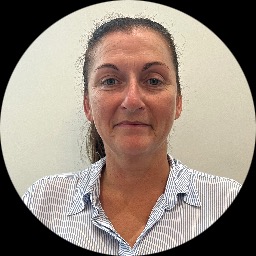
Brenda Atkinson
LCSW, CSW
Seasoned LCSW guiding emotional growth and life transitions
- Stress, Anxiety
- Relationship
- Family
Clinical social work directory
1,006 therapists list life purpose among the things they work with. All offer sessions online, and every profile shows the registering body, the membership number and when it runs to.
This page connects you with therapists who emphasize life purpose, meaning, vocation, and direction in their work. Browse the listings below to find clinicians whose approaches, credentials, languages, and experience match what you are seeking.
LCSW, CSW
Seasoned LCSW guiding emotional growth and life transitions
LCMHC
Experienced counselor focused on recovery and meaning
BACP
Calm, practical psychotherapy for difficult moments
BACP
Calm, practical counselling for everyday challenges
NCPS
Insight-driven change with Jungian perspective
BACP, NCPS
Thoughtful counsellor focusing on inner patterns
NCPS
Collaborative counsellor offering Jungian-informed care
NCPS
Gentle, practical therapy for life changes
LPC
Insightful counselor blending reflection and practical tools
LCSW
Compassionate trauma-informed therapy for recovery
LCPC
Practical, compassionate therapy for everyday change
BACP
Experienced counsellor blending depth and practical help
LPC
Practical, steady support for life’s hard moments
LMFT
Helping people find balance through thoughtful therapy
BACP
Practical, down-to-earth counselling online
BACP
Experienced therapist blending depth and practical skills
LCSW
Therapist blending meaning and practical skills
LCSW
Experienced LCSW blending practical skills and depth
NCPS
Gentle, collaborative Jungian-informed counsellor
BACP
Compassionate counsellor blending depth and practical tools
LPC
Compassionate counselor who uses creativity and Jungian ideas
BACP, NCPS
Empathic counsellor blending Jungian insight and practical skills
BACP
Therapist focused on meaning and recovery
LCSW
Calm, practical support for everyday struggles
LCSW
Supportive LCSW blending meaning and practice
AZ Psychologist
Depth-oriented psychologist for life transitions
BACP
Meaningful exploration with practical tools
LPC
Therapist blending Jungian insight and practical skills
LCSW
Practical, respectful therapy for life turning points
LPC
Therapist focusing on deeper meaning and everyday change
BACP
Experienced Jungian-informed counsellor
LPA-IP
Compassionate, practical therapy for life transitions
BACP
Experienced counsellor blending insight and action
LMHC
Compassionate guidance for worn-out, responsible people
Some links on this page are partner links. We will earn a commission if you sign up through one, at no cost to you. It does not change what you pay or the order of the listings.
Life purpose is a broad term that people use to describe the sense of meaning, direction, or commitment that shapes how they spend their time and energy. For some people it centers on vocation - the work or calling that feels most aligned with their values. For others it may be about relationships, creative expression, spiritual inquiry, or a contribution to community. You can think of life purpose as an organizing theme that helps you prioritize choices and feel a coherent sense of identity across different roles.
When your sense of purpose is clear, everyday decisions tend to feel easier because they align with a deeper framework. When it is unclear or in flux, you might feel restless, indecisive, or disconnected from what used to matter. Life transitions such as career shifts, retirement, major losses, new parenthood, or cultural moves often put the question of purpose at the forefront. You may find yourself asking what you want to be known for, how you want to spend your time, or whether your current path reflects your core values.
You might seek therapy for life purpose when you notice patterns that signal misalignment between your daily life and what feels meaningful to you. This can include persistent dissatisfaction with work even when external markers of success are present, ongoing indecision about next steps, or a sense of drifting without clear goals. Some people arrive because a specific event prompted reassessment - a break up, a layoff, the end of caregiving, or a milestone birthday.
Other indicators include feeling stuck despite trying new routines, experiencing anxiety that centers on making the "right" choices, or feeling guilt about pursuing change. You might also be wrestling with an internal conflict between responsibilities and personal aspirations, or noticing that your values have shifted over time while your life has not. Therapy can help when you want to explore these feelings deeply, identify patterns that limit you, and translate reflection into practical steps.
When you begin work focused on life purpose, the process often starts with exploration. In early sessions you and your therapist will likely clarify what matters to you now, examine past influences on your goals, and map where you feel stuck. Sessions tend to blend inquiry and practical planning - you will spend time on reflection as well as on identifying small experiments that reveal what feels aligned in your life.
Your therapist may invite you to tell your story, reflect on turning points, and articulate underlying values and longings. You can expect gentle challenges to assumptions that limit options and support in crafting tangible steps toward greater alignment. Sessions often include exercises such as values clarification, narrative reframing, imagery or dream work for people who resonate with symbolic exploration, and behavioral experiments to test new directions. Over time you will build a more coherent sense of what is meaningful and how to act on it in your daily routine.
Therapists take many routes to life purpose work, and approaches can be combined according to your needs. You may find therapists who list existential or meaning-centered approaches among their methods, which focus on questions of responsibility, freedom, and meaning. Others may list narrative therapy as an approach, which emphasizes the stories you tell about your life and how you can re-author them toward greater purpose.
Some practitioners incorporate career-focused models that explore strengths, interests, and vocational transitions with practical planning. Psychodynamic and Jungian-informed approaches can be useful for uncovering deep patterns, recurring themes, and archetypal images that shape your life narrative. Mindfulness-based and acceptance-oriented methods can help you tolerate uncertainty while you experiment with new directions. You may also find therapists who list embodiment or somatic approaches among their approaches, which bring attention to felt sense and bodily cues as guides to meaningful choices. When reviewing profiles, look for descriptions that resonate with how you like to reflect and make change.
Online therapy has become a common option for life purpose work because it allows you to meet with clinicians who match your needs even if they are located elsewhere. Sessions typically occur via video calls, audio-only calls, or messaging formats, and many people find that remote sessions reduce logistical barriers to consistent work. You can expect a structure similar to in-person therapy - regular sessions with space for reflection, planning, and review - while benefiting from the convenience of being in a familiar setting when you meet.
To get the most from online life purpose work, you may want to create a comfortable environment where you can speak openly and engage in reflection. This might mean scheduling sessions during a quiet time, using headphones to limit interruptions, and having a notebook handy for exercises and insights. Some therapists integrate digital tools such as shared documents for values work, worksheets, or brief tasks you can do between sessions. If you prefer experiential methods like imagery or somatic awareness, ask in advance how those are adapted to a remote format so you know what to expect.
Choosing a therapist for life purpose work is a personal decision and it helps to approach it with a few priorities in mind. Start by identifying what matters most to you in the relationship and the process - do you want someone who focuses on career planning, deep psychological exploration, spiritual inquiry, or practical behavior change? Use the directory to compare focus areas, approaches, credentials, languages, and experience described in profiles so you can narrow options based on the match you are seeking.
Read how therapists describe their work with meaning and purpose. Look for language that aligns with how you like to think and make change. If you value reflective, symbolic work, descriptions that mention archetypal themes or dream exploration may be a fit. If you prefer pragmatic steps, look for references to goal-setting, values clarification, or vocational exploration. Consider also practical factors - such as session length, communication style, and whether you prefer synchronous or asynchronous contact - but note that the directory provides professional background rather than operational details. Trust your instincts about whether a therapist's stated focus and approach feel inviting to you.
Life purpose work often moves in phases - exploration, experimentation, and consolidation. You may begin with wide-ranging reflection to clarify values and themes, move into experiments that test new ways of being, and then create sustainable practices that support ongoing alignment. Therapy can help you design experiments that are manageable and informative, such as taking a short course, trying a volunteer role, rearranging daily routine, or setting aside time for creative work. These steps are less about immediate certainty and more about gathering reliable information about what fits.
As you progress, you will likely refine your sense of direction and develop strategies for navigating uncertainty. The goal is not necessarily to find a single permanent answer but to cultivate an evolving orientation that informs choices with less anxiety and more clarity. Whether you are seeking subtle realignment or a major life shift, working with a therapist who describes life purpose among their focus areas can provide structured reflection, compassionate challenge, and practical tools to help you move forward with intention.