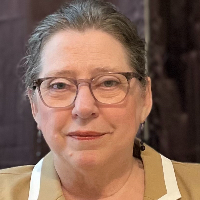
Valerie Bryan, LPC
Texas · 37 years in practice
Valerie Bryan is a Licensed Professional Counselor with 37 years of experience in mental health care.
License and registration
- LPC, Texas
- 9269 · expires September 2026
- NPI
- 1720196132 · national provider identifier
- Years in practice
- 37
- Languages
- English
Details are as listed on the therapist's public professional profile. You can check the license with the issuing state board, and the NPI with the national registry.
About Valerie
Valerie Bryan is a Licensed Professional Counselor with 37 years of experience in mental health care. She brings a warm, human-centered style to sessions and often introduces creative tools to help people name and work through painful feelings. Valerie aims to help people find more hope and humor early in therapy.
She draws on Jungian ideas and values from Native American spirituality to encourage balance, respect for differences, and gratitude.
Background and approach
These perspectives inform gentle invitations to face difficult emotions rather than avoid them. Valerie uses simple creative exercises at times, such as drawing or mapping, to make thoughts and relationships clearer. Her work often addresses anxiety, depression, grief, trauma and abuse, and struggles with self-esteem.
She also helps people dealing with relationship issues, intimacy concerns, addictions, career stress, and the emotional strain of caregiving. Practical coping and finding meaning are recurring themes in sessions. Valerie describes her approach as compassionate and humanistic.
She uses humor alongside empathy and may suggest brief, low-pressure art-based activities to offer a fresh perspective. No artistic skill is required for these exercises. Clients can expect a collaborative tone that balances facing hard feelings with small steps toward relief.
Valerie aims to help people release long-held pain, strengthen resilience, and notice more reasons for gratitude and laughter as they move forward.
Focus areas and approaches
Everything Valerie lists on their public professional profile, in their own terms.
- Stress, Anxiety
- Relationship issues
- Trauma and abuse
- Self esteem
- Depression
- Addictions
- LGBT
- Family conflicts
- Grief
- Intimacy-related issues
- Eating disorders
- Parenting issues
- Anger management
- Career difficulties
- Bipolar disorder
- Coping with life changes
- Coaching
- Compassion fatigue
- Abandonment
- Aging and geriatric issues
- Blended family issues
- Body image
- Caregiver issues and stress
- Codependency
- Communication problems
- Control issues
- Dissociation
- Divorce and separation
- Emptiness
- Family of origin issues
- Family problems
- Fatherhood issues
- Forgiveness
- Guilt and shame
- Infidelity
- Isolation / loneliness
- Jealousy
- Life purpose
- Midlife crisis
- Mood disorders
- Multicultural concerns
- Obsessions, compulsions, and OCD
- Personality disorders
- Postpartum depression
- Post-traumatic stress
- Seasonal Affective Disorder (SAD)
- Self-love
- Sexual assault and abuse
- Social anxiety and phobia
- Somatization
- Women's issues
- Workplace issues
- Young adult issues
Approaches Valerie names
- Jungian Therapy
- Attachment-Based Therapy
- Client-Centered Therapy
- Cognitive Behavioral Therapy (CBT)
- Existential Therapy
- Mindfulness Therapy
- Narrative Therapy
- Psychodynamic Therapy
- Solution-Focused Therapy
- Somatic Therapy
- Trauma-Focused Therapy
- Internal Family Systems
Naming an approach is not evidence of training in it. This directory copies what each therapist lists and does not check training records.
Online support
How her approaches translate to online therapy
Valerie often blends Jungian therapy and client-centered therapy in her work. Jungian therapy looks at symbols, dreams, and life themes to help people find deeper meaning and face difficult parts of themselves. Client-centered therapy focuses on listening, empathy, and helping people feel understood so they can find their own solutions.Choosing the right approach is a collaborative process. Valerie will talk with each person about their goals, preferences, and what feels most useful. Together they decide which ideas and techniques to try, and adjustments are made as therapy progresses.
Online sessions are offered by video calls, phone sessions, live chat, or text-based messaging to make participation easier. Video works well for longer conversations and creative exercises, phone can be simpler when bandwidth is limited, live chat is useful for shorter check-ins, and text messaging can keep continuity between sessions. These options aim to increase flexibility so therapy can fit into busy lives.
We will earn a commission if you sign up through our link, at no cost to you. It does not change what you pay or the order of the listings.
Questions people ask
What concerns does Valerie commonly address?
She works with stress, anxiety, depression, grief, trauma and abuse, self-esteem, addictions, relationship and intimacy issues, parenting and many life changes.
What is her therapeutic style like?
Her style is warm and humanistic, mixing compassion and humor. She often uses creative exercises to help people see problems differently.
How much experience does she have?
Valerie has 37 years of experience in the mental health field and draws on that background in her work with clients.
What are her credentials and where is she located?
She holds LPC credentials as a Licensed Professional Counselor and practices in Texas.
Which languages are supported for sessions?
Sessions are offered in English.
What session formats are available?
Therapy is offered through video calls, phone sessions, live chat, and text-based messaging.
How does payment and cost work?
Cost varies with location and therapist availability; sessions use a subscription model that can be canceled at any time.
How do I begin working with her?
Start by selecting the Start Therapy button, completing a short matching questionnaire, and then scheduling according to therapist availability.
More therapists in Texas
See allRegina Garner
LPC
Insightful counselor blending reflection and practical tools
- Relationship
- Family
- Grief


Heidi Wendenburg
LPC
Practical, steady support for life’s hard moments
- Stress, Anxiety
- Eating
- Depression

Veronica Irvine-Scheer
LPA-IP
Compassionate, practical therapy for life transitions
- Stress, Anxiety
- Trauma and abuse
- Self esteem

Is this your profile?
Ask us to correct details or take the page down.
Contact us