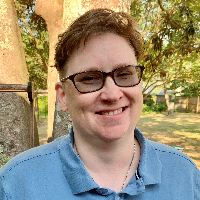
Dr. Agyenim Akuamoah-Boateng
LCMHC
Experienced counselor focused on recovery and meaning
- Stress, Anxiety
- Addictions
- Trauma and abuse
Clinical social work directory
36 therapists in this directory hold a licence issued in North Carolina and name Jungian therapy among their approaches. Sessions are online; a US therapist can usually only see people in a state where they hold a licence, so check the credentials panel on each profile.
Welcome to our directory of licensed online therapists serving North Carolina. All therapists listed here hold a North Carolina license; explore profiles to learn about their approaches, credentials and focus areas.
LCMHC
Experienced counselor focused on recovery and meaning
LCMHC
Compassionate, practical counseling for life’s hard moments
LCMHC
Warm Jungian-informed counselor focused on practical skills
LPC, LCMHC
Practical, pattern-focused therapy for adults
LMFT
Insightful therapist blending depth and skills
LMFT, LCMHC
Experienced therapist blending Jungian insight and practical care
LCSW, LICSW
Therapist blending practical tools and depth
LMFT
Empathic therapist blending insight and practical tools
LCMHC
Compassionate practical therapy for change
LCMHC
Compassionate counselor blending depth and practical skills
LCMHC
Guide for insight and life transitions
LCSW
Supportive LCSW blending Jungian and practical therapy
LCMHC, LPC
Experienced clinician blending practical skills and Jungian insight
LCMHC
Experienced therapist focusing on meaning and coping
LCMHC
Compassionate counselor blending insight and practical tools
LCMHC
Experienced therapist combining depth and practical skills
LCMHC
Experienced counselor focused on relational depth
LCMHC
Rebuild balance and find clearer direction
LCSW
Experienced LCSW blending insight and practical tools
LCMHC
Jungian-informed counselor focused on practical change
LCSW
Experienced LCSW blending depth and practical tools
LCMHC
Experienced counselor focused on growth and coping
LPC, LCMHC
Depth-oriented Jungian-informed counselor
LCSW
Calm, practical therapy with a reflective lens
LCMHC
Combines meaning-focused therapy with practical skills
LCMHC
Exploring meaning while building practical skills
Some links on this page are partner links. We will earn a commission if you sign up through one, at no cost to you. It does not change what you pay or the order of the listings.
Online therapy has become a common option for people across North Carolina who are looking for a flexible way to work through personal challenges, life transitions or persistent mental health concerns. In the state, licensed mental health professionals may offer remote services to residents when permitted by their licensing board and applicable regulations. Many therapists list Jungian approaches among their methods alongside psychodynamic, cognitive-behavioral and integrative styles, and you can often find practitioners who describe particular specialties or populations they work with. Because teletherapy is delivered over video or phone, it expands geographic reach and makes it easier to connect with a clinician who matches your needs even if you do not live near a major city.
Regulation and practice rules vary depending on the type of license a clinician holds. Psychologists, licensed clinical social workers, licensed professional counselors and marriage and family therapists are regulated by different North Carolina boards, each with its own rules about telehealth. This means that when you review profiles, it helps to note the professional credential listed and to consider how that credential aligns with your expectations for care. Online therapy can be synchronous - live video or phone sessions - or sometimes asynchronous - message-based exchanges - and platforms and clinicians describe which formats they use in their profiles.
When you try online therapy you may find practical advantages that make it easier to keep consistent work toward your goals. Remote sessions remove the need to travel, which is helpful in a state with both dense urban centers and long rural stretches. That can reduce time spent commuting and allow you to fit sessions into a workday or school schedule more easily. For caregivers, students or those with mobility constraints, the convenience of logging in from home or another quiet place can make ongoing care more feasible.
Another benefit is access to a broader range of clinical approaches and experience. If you are seeking a therapist who lists Jungian approaches or other specific styles among their approaches, online options increase the likelihood of finding that match. You may also be able to find clinicians who work in languages other than English or who work with particular populations, such as adolescents, veterans, parents, or people navigating grief and life transitions. Finally, many people report that being in a familiar setting - a chosen room, a car parked quietly, or another uninterrupted area - can help them feel more grounded during sessions, provided they can create a quiet space for the conversation.
You can expect online therapists to address a wide range of issues seen in traditional face-to-face work. Therapists often describe helping with anxiety, depression, relationship concerns, trauma-related symptoms, stress management, life transitions such as career changes or relocation, parenting challenges and difficulties with self-esteem. Some clinicians emphasize short-term symptom relief and coping strategies, while others describe a longer-term, depth-oriented focus that includes exploring personal history, patterns and meaning. Therapists who list Jungian approaches among their approaches may emphasize dreams, symbolism and the exploration of unconscious themes, although approaches vary widely from clinician to clinician.
It is common for profiles to indicate both focus areas and methods. For instance, a clinician might note experience working with mood disorders and list several therapeutic approaches they use. Because descriptions on profiles are self-reported, read them as a starting point for conversation rather than a definitive statement of practice. If you have a specific concern - for example, trauma symptoms or managing a major life decision - prioritize profiles that reference similar work and plan to ask questions in an initial conversation about how the clinician typically works with that issue.
Verifying licensure is an important step in evaluating any clinician you are considering. North Carolina has several licensing boards, so the board you check depends on the credential listed in a therapist's profile. Psychologists are generally regulated by the state psychology board, licensed clinical social workers and advanced practitioners by the social work board, licensed professional counselors by the counseling board and marriage and family therapists by their dedicated board. Each board maintains an online directory where you can search by name or license number to confirm that a license is active, view the license type and see whether any disciplinary actions are recorded.
When you review a license record, look for the license status, the date of issuance and any public notes about restrictions. If a profile lists degrees or certifications, those items are separate from state licensure and may not appear on the state board report; however, official licensure should always be verifiable through the appropriate state board. If you have difficulty finding a record online, the licensing board's website typically includes contact information for phone or email inquiries. Keeping a note of the license number from a clinician's profile can speed the verification process when you check the board database.
Beginning online therapy often starts with exploring profiles and identifying a few clinicians whose descriptions resonate with you. When you reach out, plan to ask about how they describe their approach to therapy, what a typical session looks like and how they structure goals and progress. You can also ask about session length, fees, insurance or sliding scale options and the technology they use for video calls. Because online work relies on technology, it is reasonable to ask how they handle privacy safeguards and what measures they recommend you take on your end, such as using a headset, finding an undisturbed room or sitting in a quiet space during the session.
Choosing the right therapist is about both practical fit and interpersonal connection. Practical considerations include whether the clinician's areas of focus align with your concerns, whether they list modalities you are interested in and whether their stated credential matches what you expect. Interpersonal fit develops after a few sessions when you can get a sense of how the therapist listens, asks questions and reflects on your experience. Trust your impressions of whether you feel heard and understood. It is normal for the first handful of sessions to be exploratory as you and the therapist form a working relationship and set goals. If it feels necessary, you can ask a clinician to clarify how they measure progress and what steps they take if goals are not being met.
Before your first remote meeting, test your audio and video and choose an environment where you will not be interrupted. Have a list of topics or questions to help guide the conversation, and be prepared to describe what you hope to achieve. If you use insurance, confirm how the clinician handles billing and what information you need to provide. If you do not use insurance, ask about payment methods and cancellation or rescheduling policies. Finally, if you rely on medications or are under medical care for a psychiatric condition, it is reasonable to ask how the therapist coordinates care with other providers when appropriate.
Selecting a therapist is a personal process, and it is okay to try a few different clinicians before you settle on someone who feels right. Use profile descriptions as a guide and rely on initial conversations to clarify how a therapist approaches the work. Pay attention to both the clinical description and the practical details that will shape your experience. Over time you will develop a sense of whether the approach and the clinician's style support the changes you want to make. If you are specifically interested in Jungian ideas, look for clinicians who list Jungian approaches among their approaches and ask them how that perspective informs the therapy process for you as an individual.
Online therapy in North Carolina can open up more options for finding a clinician who matches your needs and preferences. By verifying licensure, preparing for your first session and focusing on fit and practical considerations, you can make informed choices about who you work with and how to get the most from the therapeutic relationship.