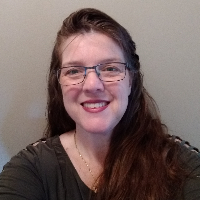
Jennifer Enevoldsen, LCSW
North Carolina · 15 years in practice
Jennifer Enevoldsen is a Licensed Clinical Social Worker (LCSW) based in North Carolina with 15 years of practice.
License and registration
- LCSW, North Carolina
- C008825 · expires March 2027
- NPI
- 1447569884 · national provider identifier
- Years in practice
- 15
- Languages
- English
Details are as listed on the therapist's public professional profile. You can check the license with the issuing state board, and the NPI with the national registry.
About Jennifer
Jennifer Enevoldsen is a Licensed Clinical Social Worker (LCSW) based in North Carolina with 15 years of practice. She works with adults on common and complex problems like anxiety, stress, relationship struggles, parenting challenges, grief, and addiction. Her style is warm and encouraging and she aims to help people take practical steps forward.
Jennifer offers help for trauma and abuse survivors and for those connected to foster care or adoption.
Background and approach
She also supports people managing life transitions, aging concerns, autism-related issues, and caregiver stress. Many clients come to her looking for better ways to cope, communicate, and rebuild after difficult events. Her approach draws on Jungian ideas alongside client-centered methods and cognitive behavioral therapy.
She mixes in mindfulness and solution-focused strategies when those fit a person’s needs. Sessions are shaped to match each person’s personality and goals rather than following a single formula. In sessions Jennifer uses straightforward techniques to reframe problems, develop coping skills, and set realistic steps toward change.
She listens for strengths and helps clients build on them. When trauma is part of the picture she works in ways that acknowledge past harm while focusing on present-day coping. Jennifer accepts international clients for online work and provides video calls, phone sessions, live chat, or text-based messaging.
To begin, people complete a short matching questionnaire and schedule sessions according to available times.
Focus areas and approaches
Everything Jennifer lists on their public professional profile, in their own terms.
- Stress, Anxiety
- Family conflicts
- Trauma and abuse
- Grief
- Parenting issues
- Addictions
- Relationship issues
- Anger management
- Self esteem
- Coping with life changes
- ADHD
- Adoption and foster care
- Aging and geriatric issues
- Autism and Asperger Syndrome
- Blended family issues
- Caregiver issues and stress
- Codependency
- Communication problems
- Coping with natural or human-caused disaster
- Divorce and separation
- Domestic violence
- Drug and alcohol addiction
- Family of origin issues
- Family problems
- Fertility issues
- Forgiveness
- Guilt and shame
- Hospice and end-of-life counseling
- Intellectual disability
- Post-traumatic stress
- Seasonal Affective Disorder (SAD)
- Self-harm
- Self-love
- Sexual assault and abuse
- Social anxiety and phobia
- Young adult issues
Approaches Jennifer names
- Jungian Therapy
- Client-Centered Therapy
- Cognitive Behavioral Therapy (CBT)
- Mindfulness Therapy
- Solution-Focused Therapy
- Trauma-Focused Therapy
Naming an approach is not evidence of training in it. This directory copies what each therapist lists and does not check training records.
Online support
Therapeutic approaches and online care
Jungian Therapy focuses on symbols, personal meaning, and life narratives; it helps people reflect on inner patterns and recurring themes that shape feelings and relationships. Client-Centered Therapy emphasizes a supportive, nonjudgmental stance where the therapist listens closely and helps clients find their own solutions. Cognitive Behavioral Therapy (CBT) looks at how thoughts and behaviors affect moods and teaches practical skills to change unhelpful patterns.Choosing the right approach is part of the work itself. The therapist collaborates with each person to test methods that fit their goals, personality, and situation. Sessions may use one approach at first and add others as progress is made, so the plan evolves with the client’s needs.
Online sessions are offered by video call, phone, live chat, or text-based messaging to make care more flexible. Video is useful for in-depth conversations and visual cues, phone works well when bandwidth is limited, live chat is handy for quick check-ins, and messaging supports ongoing, asynchronous contact. These options let people fit therapy into busy days, manage symptoms between appointments, and keep consistent contact from different locations.
We will earn a commission if you sign up through our link, at no cost to you. It does not change what you pay or the order of the listings.
Questions people ask
What concerns does she help address?
She helps people with stress, anxiety, relationship problems, parenting challenges, grief, addictions, trauma and abuse, anger, self-esteem, ADHD, and other life transitions.
What is her therapeutic style like?
Her style is supportive and encouraging, focused on listening and helping people take practical steps. She blends reflective listening with skill-building and problem solving.
How much experience does she have?
She has 15 years of clinical experience working with individual clients and with issues related to foster care and adoption among others.
What credentials and location are listed?
She holds an LCSW credential and practices in North Carolina.
Which languages and international options are offered?
Sessions are offered in English and she accepts international clients.
What session formats are available?
She provides video calls, phone sessions, live chat, and text-based messaging to fit different schedules and needs.
How are costs handled?
Costs vary with location and therapist availability; sessions use a subscription that can be canceled at any time.
How do I begin working with her?
Start by selecting the Start Therapy button, complete a short matching questionnaire, and then schedule sessions according to therapist availability.
More therapists in North Carolina
See allDr. Agyenim Akuamoah-Boateng
LCMHC
Experienced counselor focused on recovery and meaning
- Stress, Anxiety
- Addictions
- Trauma and abuse



Brandi Geddings
LCMHC
Compassionate, practical counseling for life’s hard moments
- Stress, Anxiety
- Anger
- Self esteem
Is this your profile?
Ask us to correct details or take the page down.
Contact us