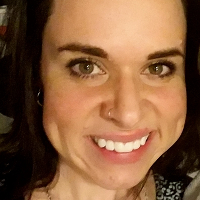
Brandi Geddings, LCMHC
North Carolina · 7 years in practice
Brandi Geddings is a Licensed Clinical Mental Health Counselor (LCMHC) based in North Carolina who helps people manage stress, anxiety, anger, low self-esteem, and life transitions.
License and registration
- LCMHC, North Carolina
- 12425 · expires June 2026
- NPI
- 1336694538 · national provider identifier
- Years in practice
- 7
- Languages
- English
Details are as listed on the therapist's public professional profile. You can check the license with the issuing state board, and the NPI with the national registry.
About Brandi
Brandi Geddings is a Licensed Clinical Mental Health Counselor (LCMHC) based in North Carolina who helps people manage stress, anxiety, anger, low self-esteem, and life transitions. She also supports people navigating ADHD, relationship and family concerns, trauma and abuse, parenting challenges, mood disorders, and compassion fatigue.
Brandi writes plainly and aims to meet people where they are in life with empathy and curiosity. Her style is relaxed and straightforward. She focuses on building strong rapport through authenticity and nonjudgmental listening.
Background and approach
Sessions tend to avoid heavy clinical jargon and instead use clear, practical conversation to identify strengths and patterns that matter to the person. Brandi combines person-centered care with a range of techniques to fit each person’s needs. That may include cognitive behavioral strategies, dialectical behavior skills, acceptance and commitment ideas, mindfulness, psychoeducation, and family-systems thinking.
She also draws on Jungian perspectives and existential ideas when they are helpful for meaning and identity work. In practice she helps people develop concrete coping skills and better problem-solving. Work can be solution-focused or more exploratory depending on what someone wants.
Brandi emphasizes collaborative goal-setting so the plan makes sense for daily life and current responsibilities. She has seven years of clinical experience working in outpatient settings. Brandi has worked with children, adolescents, and adults across the lifespan and in individual, family, group, and psychoeducational formats.
Her approach is to listen first, then work together toward practical changes.
Focus areas and approaches
Everything Brandi lists on their public professional profile, in their own terms.
- Stress, Anxiety
- Anger management
- Self esteem
- Coping with life changes
- ADHD
- Relationship issues
- Family conflicts
- Trauma and abuse
- Parenting issues
- Career difficulties
- Bipolar disorder
- Depression
- Compassion fatigue
- Abandonment
- Attachment issues
- BDSM, kink, and alternative sex culture
- Blended family issues
- Body image
- Caregiver issues and stress
- Chronic pain, illness, and disability
- Codependency
- Commitment issues
- Communication problems
- Control issues
- Disruptive Mood Dysregulation Disorder (DMDD)
- Dissociation
- Emptiness
- Family problems
- First responder issues
- Forgiveness
- Guilt and shame
- Impulsivity
- Infidelity
- Isolation / loneliness
- Jealousy
- Life purpose
- Men's issues
- Midlife crisis
- Mood disorders
- Obsessions, compulsions, and OCD
- Panic disorder and panic attacks
- Polyamory / non-monogamous relationships
- Postpartum depression
- Pregnancy and childbirth
- Process addiction (porn, exercise, gambling)
- Seasonal Affective Disorder (SAD)
- Self-love
- Sex addiction
- Sexual dysfunction
- Sexuality
- Social anxiety and phobia
- Somatization
- Women's issues
- Workplace issues
- Young adult issues
Approaches Brandi names
- Jungian Therapy
- Acceptance and Commitment Therapy (ACT)
- Client-Centered Therapy
- Cognitive Behavioral Therapy (CBT)
- Dialectical Behavior Therapy (DBT)
- Existential Therapy
- Imago Relationship Therapy
- Mindfulness Therapy
- Motivational Interviewing
- Solution-Focused Therapy
- Trauma-Focused Therapy
Naming an approach is not evidence of training in it. This directory copies what each therapist lists and does not check training records.
Online support
Therapeutic approaches and online care
Brandi commonly uses Jungian Therapy to help people explore personal meaning, dreams, and inner symbols as part of identity or life-direction work. That approach can be useful for people who want to examine deeper themes or recurring life patterns.She also uses Acceptance and Commitment Therapy (ACT) to help people focus on values and committed action while accepting difficult feelings. ACT is often helpful for stress, anxiety, and coping with life changes. Client-Centered Therapy is another frequent element, which centers on listening, empathy, and treating the person as the expert in their own life.
Finding the right approach is part of the work together. Brandi discusses goals and preferences with each person and adapts techniques - sometimes blending ACT, Jungian ideas, CBT or DBT skills - to fit what feels most useful. The process is collaborative and paced to the person’s needs.
Online sessions are offered by video calls, phone sessions, live chat, or text-based messaging to make scheduling easier. Video is good for face-to-face conversation and visual cues, phone calls work when bandwidth is limited, and messaging or live chat are helpful for brief check-ins or ongoing support between longer sessions. These options aim to make therapy more accessible and flexible for different routines and responsibilities.
We will earn a commission if you sign up through our link, at no cost to you. It does not change what you pay or the order of the listings.
Questions people ask
What concerns does Brandi help with?
She supports people dealing with stress, anxiety, anger, self-esteem, life transitions, ADHD, relationship and family issues, trauma and abuse, parenting, career and mood disorders including bipolar and depression.
What is her general therapy style?
Her style is relaxed, direct, and nonjudgmental. Sessions focus on clear conversation, building rapport, and practical steps rather than clinical jargon.
How much experience does she have?
She has seven years of clinical experience working in outpatient settings with individuals across the lifespan.
Where is she licensed and located?
She is a Licensed Clinical Mental Health Counselor (LCMHC) practicing in North Carolina.
What languages are offered and do you serve international clients?
Sessions are offered in English. She does not accept international clients.
Which session formats are available?
Sessions are offered as video calls, phone sessions, live chat, or text-based messaging to fit different schedules and preferences.
How does payment and cost work?
Cost varies with location and therapist availability; sessions use a subscription model that can be canceled at any time.
What do I do to get started?
Select the Start Therapy button, complete a short matching questionnaire, and then schedule according to therapist availability.
More therapists in North Carolina
See allDr. Agyenim Akuamoah-Boateng
LCMHC
Experienced counselor focused on recovery and meaning
- Stress, Anxiety
- Addictions
- Trauma and abuse


Is this your profile?
Ask us to correct details or take the page down.
Contact us