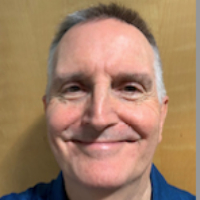
Alan Cochrane, LCMHC
Utah · 35 years in practice
Alan Cochrane is a Licensed Clinical Mental Health Counselor (LCMHC) practicing from Utah with 35 years of clinical experience.
License and registration
- LCMHC, Utah
- 116928-6004 · expires September 2026
- NPI
- 1225330236 · national provider identifier
- Years in practice
- 35
- Languages
- English
Details are as listed on the therapist's public professional profile. You can check the license with the issuing state board, and the NPI with the national registry.
About Alan
Alan Cochrane is a Licensed Clinical Mental Health Counselor (LCMHC) practicing from Utah with 35 years of clinical experience. He draws on a long career across different settings to guide clients toward greater self-awareness and clearer choices. He uses a warm, direct style and often brings humor into sessions to ease difficult conversations.
He views therapy as a shared journey where curiosity and courage matter. He helps people notice patterns that hold them back and learn new ways of responding.
Background and approach
Sessions focus on practical steps as well as inner discovery, balancing insight with everyday tools. His background includes work with stress, anxiety, addictions, relationship concerns, anger, depression, trauma and abuse, grief, intimacy issues, parenting strain, self-esteem, career concerns, bipolar disorder, and ADHD. He also addresses themes like attachment, abandonment, codependency, and family of origin problems.
Those facing life transitions, compassion fatigue, or struggles with impulse and control may also find relevant support. Alan draws on several therapeutic approaches, including Jungian work, client-centered methods, cognitive behavioral techniques, hypnotherapy, and mindfulness practices. He adapts these approaches to fit each person’s needs rather than following a single script.
The aim is practical growth and a clearer sense of self over time. Outside the office he enjoys hiking and spending time in desert and red rock landscapes. That connection with nature often informs his belief in slowing down, noticing, and making steady changes that add up.
Focus areas and approaches
Everything Alan lists on their public professional profile, in their own terms.
- Stress, Anxiety
- Addictions
- Relationship issues
- Anger management
- Depression
- LGBT
- Family conflicts
- Trauma and abuse
- Grief
- Intimacy-related issues
- Parenting issues
- Self esteem
- Career difficulties
- Bipolar disorder
- Coping with life changes
- Compassion fatigue
- ADHD
- Abandonment
- Attachment issues
- Codependency
- Commitment issues
- Communication problems
- Control issues
- Dependent personality
- Divorce and separation
- Drug and alcohol addiction
- Emptiness
- Family of origin issues
- Family problems
- Forgiveness
- Guilt and shame
- Impulsivity
- Infidelity
- Isolation / loneliness
- Jealousy
- Life purpose
- Men's issues
- Midlife crisis
- Mood disorders
- Multicultural concerns
- Narcissism
- Personality disorders
- Phobias
- Prejudice and discrimination
- Process addiction (porn, exercise, gambling)
- Self-harm
- Self-love
- Sex addiction
- Sexual assault and abuse
- Sexuality
- Social anxiety and phobia
- Workplace issues
- Young adult issues
Approaches Alan names
- Jungian Therapy
- Client-Centered Therapy
- Cognitive Behavioral Therapy (CBT)
- Hypnotherapy
- Mindfulness Therapy
- Motivational Interviewing
- Psychodynamic Therapy
- Internal Family Systems
Naming an approach is not evidence of training in it. This directory copies what each therapist lists and does not check training records.
Online support
How therapeutic approaches translate online
Jungian-informed work focuses on symbols, dreams, and the inner life to help people connect with deeper parts of themselves and understand recurring patterns. This approach can be useful for those who want to explore meaning, identity, and long-standing emotional themes.Client-centered therapy centers on listening and creating a supportive space so people can find their own answers. It helps when someone needs acceptance, clearer self-understanding, and a guided space to try new ways of being.
Cognitive Behavioral Therapy, or CBT, looks at thoughts and behaviors and teaches practical skills to change unhelpful patterns. It is often used for anxiety, depression, and stress when a person wants concrete tools to feel better day to day.
Choosing an approach is collaborative. The therapist will talk with the client about goals, preferences, and what feels most useful, and then adjust methods as needed. That partnership helps tailor sessions to personal needs rather than sticking to a single method.
Online therapy offers flexible ways to meet through video calls, phone sessions, live chat, or text-based messaging. Video is helpful for fuller conversations and visual cues, phone sessions can be easier when bandwidth is limited, and messaging or live chat can fit quick check-ins or brief reflections between sessions. These options make it easier to maintain continuity and fit therapy into a busy life.
We will earn a commission if you sign up through our link, at no cost to you. It does not change what you pay or the order of the listings.
Questions people ask
What concerns does he address?
He works with stress, anxiety, addictions, relationship and anger issues, depression, trauma and abuse, grief, intimacy problems, parenting strain, self-esteem, career questions, bipolar, ADHD, and related concerns.
How would you describe his therapeutic style?
He combines a warm, nonjudgmental stance with direct guidance and occasional humor. Sessions mix practical coping steps with deeper reflective work.
What is his professional background?
He has 35 years of experience and holds the LCMHC credential. His career includes work across multiple settings supporting people with a wide range of issues.
Where is he based and licensed?
He practices in Utah and holds the Utah LCMHC credential.
Which languages are sessions offered in?
Sessions are offered in English.
Can international clients work with him?
International clients are not currently accepted.
What session formats does he offer?
He provides video calls, phone sessions, live chat, and text-based messaging to suit different schedules and needs.
How are costs and scheduling handled?
Cost varies by location and therapist availability and uses a subscription that can be canceled at any time; to get started, select Start Therapy, complete the short matching questionnaire, and schedule per availability.
More therapists in Utah
See all
Charlotte Gibbons
LCSW
Compassionate, practical therapy for life’s disruptions
- Relationship
- Family
- Trauma and abuse
Gregory "Greg" Dunford
LCMHC
Heals deep patterns, builds practical skills
- Stress, Anxiety
- Relationship
- Intimacy-related issues

Teri Nielsen
LMHC, LCMHC
Experienced therapist blending depth and practicality
- Relationship
- Family
- Trauma and abuse
Is this your profile?
Ask us to correct details or take the page down.
Contact us