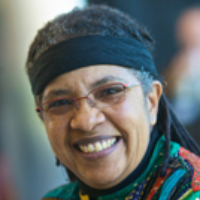
Dr. Ednita Wright, LCSW
New York · 35 years in practice
Dr. Ednita Wright offers a calm, thoughtful approach rooted in Jungian ideas and other practical therapies.
License and registration
- LCSW, New York
- 071908 · expires February 2026
- NPI
- 1164044087 · national provider identifier
- Years in practice
- 35
- Languages
- English
Details are as listed on the therapist's public professional profile. You can check the license with the issuing state board, and the NPI with the national registry.
About Ednita
Dr. Ednita Wright offers a calm, thoughtful approach rooted in Jungian ideas and other practical therapies. She is a licensed clinical social worker with 35 years of experience and works with people facing anxiety, depression, addiction, grief, relationship strain, and identity questions.
Dr. Wright writes plainly and helps people find the missing pieces that make life feel confusing or stuck. Her work often blends Jungian Therapy with acceptance-oriented and cognitive methods.
Background and approach
That means paying attention to personal meaning and inner patterns while also learning new ways to respond to painful thoughts and habits. Sessions are focused on small, clear steps and on understanding what matters most to each person. Dr.
Wright has a long history in substance use counseling and teaches in a community college department for Alcohol/Substance Abuse Counseling, Human Services, and Teacher Education. She also consults with academic and community organizations on inclusion and belonging. Those roles shape a practical style that connects classroom experience to real-life struggles.
People come to her for help with compassion fatigue, eating and intimacy concerns, chronic illness, grief, and issues related to isolation or life purpose. She emphasizes straightforward conversation and steady progress rather than quick fixes. Dr.
Wright practices from New York and offers sessions in English. She works with adults seeking help for mood, behavior, and relationship challenges, and she welcomes people who want to explore identity, recovery, or deeper meaning.
Focus areas and approaches
Everything Ednita lists on their public professional profile, in their own terms.
- Stress, Anxiety
- Addictions
- LGBT
- Depression
- Compassion fatigue
- Relationship issues
- Family conflicts
- Trauma and abuse
- Grief
- Intimacy-related issues
- Eating disorders
- Anger management
- Self esteem
- Adoption and foster care
- Aging and geriatric issues
- Autism and Asperger Syndrome
- Chronic pain, illness, and disability
- Codependency
- Domestic violence
- Drug and alcohol addiction
- Eating and food-related issues
- First responder issues
- Guilt and shame
- HIV / AIDS
- Hospice and end-of-life counseling
- Isolation / loneliness
- Life purpose
- Mood disorders
- Multicultural concerns
- Obsessions, compulsions, and OCD
- Panic disorder and panic attacks
- Phobias
- Prejudice and discrimination
- Process addiction (porn, exercise, gambling)
- Self-harm
- Self-love
- Sexual assault and abuse
- Sexuality
- Social anxiety and phobia
- Trichotillomania
- Women's issues
- Workplace issues
Approaches Ednita names
- Jungian Therapy
- Acceptance and Commitment Therapy (ACT)
- Client-Centered Therapy
- Cognitive Behavioral Therapy (CBT)
- Existential Therapy
- Mindfulness Therapy
- Motivational Interviewing
- Solution-Focused Therapy
- Trauma-Focused Therapy
Naming an approach is not evidence of training in it. This directory copies what each therapist lists and does not check training records.
Online support
How therapeutic approaches shape online care
Dr. Wright often uses Jungian Therapy alongside Acceptance and Commitment Therapy and Client-Centered approaches. Jungian Therapy focuses on personal symbols, dreams, and life stories to help people find deeper meaning and identity. Acceptance and Commitment Therapy (ACT) teaches practical ways to accept difficult feelings and commit to actions that match personal values. Client-Centered Therapy emphasizes a respectful, nonjudgmental relationship where the person’s experience guides each session.Finding the right approach is part of the work. Dr. Wright collaborates with each person to see which methods fit their goals, needs, and comfort level. She adjusts tools and pacing so people can try new ideas and notice what helps most over time.
Online sessions are offered by video calls, phone sessions, live chat, or text-based messaging to make therapy more flexible. Video works well for face-to-face conversation, phone is useful when bandwidth is limited, live chat or text can suit quick check-ins or times when typing feels easier. These options help people fit therapy around work, caregiving, or health needs while keeping a steady connection with a licensed professional.
We will earn a commission if you sign up through our link, at no cost to you. It does not change what you pay or the order of the listings.
Questions people ask
What kinds of concerns does this therapist help with?
She helps people with stress, anxiety, addiction, depression, grief, relationship and intimacy issues, eating concerns, anger, self-esteem, and trauma-related problems.
What is her therapy style like?
Her approach combines Jungian Therapy with client-centered listening, ACT, and cognitive tools to address meaning, behavior, and values in practical ways.
How much experience does she have?
She brings 35 years of counseling experience, including long work in substance use counseling and teaching in higher education.
Where is she based and what credential does she hold?
She is based in New York and holds an LCSW license in New York.
Which languages are supported for sessions?
Sessions are offered in English and she is available to work with international clients.
What session formats are offered?
Sessions can be conducted by video calls, phone sessions, live chat, or text-based messaging to fit different needs and schedules.
How are sessions priced?
Cost varies by location and scheduling; therapy uses a subscription model that can be canceled at any time.
How do I begin working with her?
Start by selecting the Start Therapy button, complete a short matching questionnaire, and then schedule sessions according to therapist availability.
More therapists in New York
See allAlona Perlin
LCSW
Supportive LCSW blending meaning and practice
- Stress, Anxiety
- Relationship
- Trauma and abuse

Jesse Palermo
LCSW
Practical, respectful therapy for life turning points
- Stress, Anxiety
- Addictions
- Relationship


Dr. Sung Ho Kim
NY Psychoanalyst
Insightful Jungian-informed psychoanalyst
- Stress, Anxiety
- Relationship
- Trauma and abuse
Is this your profile?
Ask us to correct details or take the page down.
Contact us