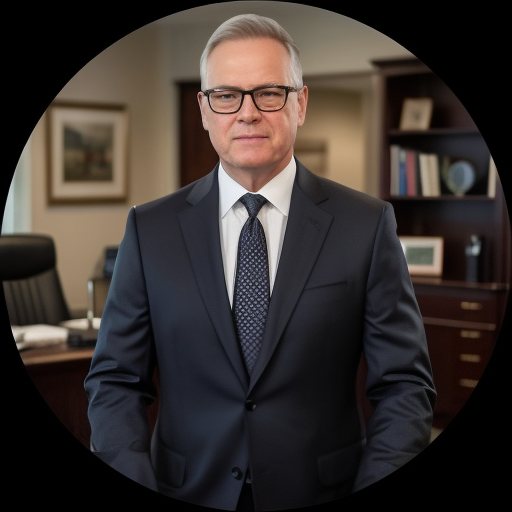
Dr. Edward Varner, LPC-MHSP
Tennessee · 30 years in practice
Dr. Edward Varner greets people who are worn down by anxiety, depression, or relationship strain and wants to help them find steady ground.
License and registration
- LPC-MHSP, Tennessee
- 3516 · expires February 2027
- NPI
- 1023581758 · national provider identifier
- Years in practice
- 30
- Languages
- English, Japanese
Details are as listed on the therapist's public professional profile. You can check the license with the issuing state board, and the NPI with the national registry.
About Edward
Dr. Edward Varner greets people who are worn down by anxiety, depression, or relationship strain and wants to help them find steady ground. He is a Licensed Professional Counselor - Mental Health Service Provider with three decades of practice in Tennessee.
He speaks English and Japanese and works with a wide range of life challenges. He helps people facing trauma, abuse, mood disorders, grief, and intimacy issues. He also supports those dealing with stress, parenting challenges, eating concerns, ADHD, and career transitions.
Background and approach
His work includes attention to attachment issues, body image, codependency, and substance concerns. Dr. Varner uses a mix of approaches to fit each person.
Jungian Therapy is part of his orientation, which looks at symbols, personal meaning, and inner patterns. He also draws on Acceptance and Commitment Therapy to help people clarify values and take meaningful action. Sessions follow a client-centered stance where the person’s needs shape goals and pace.
Cognitive Behavioral Therapy tools and attachment-informed work are used when practical skills or relationship patterns are the focus. Conversations aim to be direct, respectful, and grounded in day-to-day life. People can meet with him by video call, phone, live chat, or text messaging.
He accepts international clients and uses a subscription model for sessions that can be canceled at any time. To begin, select Start Therapy, complete a short matching questionnaire, and schedule according to availability.
Focus areas and approaches
Everything Edward lists on their public professional profile, in their own terms.
- Relationship issues
- Trauma and abuse
- Self esteem
- Bipolar disorder
- Depression
- Stress, Anxiety
- LGBT
- Family conflicts
- Grief
- Intimacy-related issues
- Eating disorders
- Parenting issues
- Anger management
- Career difficulties
- Coping with life changes
- Coaching
- ADHD
- Attachment issues
- Autism and Asperger Syndrome
- BDSM, kink, and alternative sex culture
- Blended family issues
- Body image
- Co-morbidity
- Codependency
- Communication problems
- Coping with natural or human-caused disaster
- Dissociation
- Divorce and separation
- Domestic violence
- Drug and alcohol addiction
- Emptiness
- Family of origin issues
- Family problems
- Fatherhood issues
- First responder issues
- Gender dysphoria
- Guilt and shame
- Impulsivity
- Infidelity
- Life purpose
- Men's issues
- Veteran and Armed Forces Issues
- Mood disorders
- Multicultural concerns
- Narcissism
- Obsessions, compulsions, and OCD
- Panic disorder and panic attacks
- Personality disorders
- Post-traumatic stress
- Process addiction (porn, exercise, gambling)
- Self-harm
- Self-love
- Sex addiction
- Sexual assault and abuse
- Sexual dysfunction
- Sexuality
- Traumatic brain injury
- Workplace issues
- Young adult issues
Approaches Edward names
- Jungian Therapy
- Acceptance and Commitment Therapy (ACT)
- Attachment-Based Therapy
- Client-Centered Therapy
- Cognitive Behavioral Therapy (CBT)
- Dialectical Behavior Therapy (DBT)
- Mindfulness Therapy
- Psychodynamic Therapy
- Solution-Focused Therapy
- Trauma-Focused Therapy
- Internal Family Systems
- Systemic Therapy
Naming an approach is not evidence of training in it. This directory copies what each therapist lists and does not check training records.
Online support
Therapeutic approaches and online options
Jungian Therapy focuses on symbols, dreams, and life stories to help people find meaning and recognize patterns that shape behavior. It can be helpful for those who want to explore identity, recurring life themes, or deeper personal meaning.Acceptance and Commitment Therapy, or ACT, teaches practical skills to notice thoughts without getting stuck and to act in ways that align with personal values. It is often used for anxiety, depression, and stress when actions and values need clearer direction.
Attachment-Based Therapy looks at how early relationship patterns affect current connections and communication. It is useful when people want to change how they relate, feel safer in relationships, or repair trust and closeness.
Finding the right approach is a shared process. The therapist will work collaboratively to choose methods based on the client's needs, goals, and preferences and may combine elements from several approaches as the work evolves.
Online sessions are offered by video, phone, live chat, or text messaging to make therapy fit different routines. Video calls allow real-time conversation and visual cues, phone sessions use less bandwidth, live chat supports shorter check-ins, and text messaging can help people stay connected between sessions. These options make scheduling easier and reduce travel time while keeping therapy practical and accessible.
We will earn a commission if you sign up through our link, at no cost to you. It does not change what you pay or the order of the listings.
Questions people ask
What concerns does he address?
He works with relationship struggles, trauma and abuse, mood disorders like bipolar and depression, anxiety, stress, grief, and intimacy-related issues. Additional focus areas include body image, addiction concerns, ADHD, and family of origin issues.
What is his therapeutic style?
He combines Jungian Therapy with client-centered methods and practical techniques from CBT and Acceptance and Commitment Therapy. The approach mixes meaning-focused exploration with actionable coping skills.
How much experience does he have?
He has 30 years of experience practicing as a counselor. That experience spans trauma recovery, relationship work, mood disorders, and career and life transitions.
Where is he located and what are his credentials?
He practices in Tennessee and holds the credential LPC-MHSP, which stands for Licensed Professional Counselor - Mental Health Service Provider.
Which languages are offered and can international clients work together?
Sessions are offered in English and Japanese. He does accept international clients.
What session formats are available?
People may meet by video calls, phone sessions, live chat, or text-based messaging to suit different schedules and preferences.
How does payment and cost work?
Cost varies with location and therapist availability and sessions use a subscription model that can be canceled at any time.
How do I begin working with him?
Start by selecting the Start Therapy button, complete a short matching questionnaire, and then schedule sessions based on the therapist's availability.
More therapists in Tennessee
See all

Sue Frazier-Bear
LPC
Expert counselor combining insight and practical tools
- Stress, Anxiety
- Trauma and abuse
- Grief


Is this your profile?
Ask us to correct details or take the page down.
Contact us