
Michelle Smith, LPC, LIMHP
Nebraska · 15 years in practice
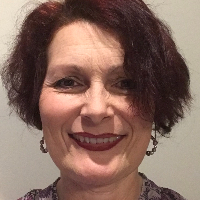
Michelle Smith is a licensed therapist in Nebraska with 15 years of clinical experience.
License and registration
- LIMHP, Nebraska
- 1201 · expires September 2026
- LPC, Colorado
- LPC.0023564 · expires August 2027
- NPI
- 1477933240 · national provider identifier
- Years in practice
- 15
- Languages
- English
Details are as listed on the therapist's public professional profile. You can check the license with the issuing state board, and the NPI with the national registry.
About Michelle
Michelle Smith is a licensed therapist in Nebraska with 15 years of clinical experience. She works with people who are facing stress, anxiety, depression, grief, trauma, relationship struggles, and life changes. Michelle aims to help clients reconnect with their sense of self and move toward clearer goals.
She approaches therapy as a collaborative process. Sessions focus on understanding patterns that keep people stuck, calming intense emotions, and building practical skills for daily life.
Background and approach
Michelle uses Jungian therapy alongside evidence-based methods such as Acceptance and Commitment Therapy and Cognitive Behavioral Therapy to support insight and change. Michelle pays close attention to attachment wounds, codependency, and family of origin issues. She also helps people dealing with compassion fatigue, caregiving strain, gender dysphoria, and identity questions.
Conversations often include work on communication, setting boundaries, and managing mood disorders like bipolar illness. Her style is warm and down-to-earth. She invites honest talk, gentle reflection, and doable steps people can try between sessions.
Clients can expect a mix of exploration about meaning and concrete tools for coping. Michelle offers video calls, phone sessions, live chat, and text-based messaging as options. Sessions are structured to fit a person's goals and pace, whether the need is short-term coaching or longer-term healing work.
Focus areas and approaches
Everything Michelle lists on their public professional profile, in their own terms.
- Stress, Anxiety
- Relationship issues
- Self esteem
- Coping with life changes
- Compassion fatigue
- LGBT
- Family conflicts
- Trauma and abuse
- Grief
- Parenting issues
- Career difficulties
- Bipolar disorder
- Depression
- Coaching
- Abandonment
- Attachment issues
- Codependency
- Communication problems
- Family of origin issues
- Forgiveness
- Gender dysphoria
- Isolation / loneliness
- Life purpose
- Midlife crisis
- Money and financial issues
- Mood disorders
- Post-traumatic stress
- Self-love
- Women's issues
Approaches Michelle names
- Jungian Therapy
- Acceptance and Commitment Therapy (ACT)
- Attachment-Based Therapy
- Client-Centered Therapy
- Cognitive Behavioral Therapy (CBT)
- Dialectical Behavior Therapy (DBT)
- Gottman Method
- Mindfulness Therapy
- Narrative Therapy
- Psychodynamic Therapy
- Trauma-Focused Therapy
Naming an approach is not evidence of training in it. This directory copies what each therapist lists and does not check training records.
Online support
Approach and online options for meaningful change
Jungian therapy offers a way to look at symbols, dreams, and inner patterns to better understand what shapes a person's life and choices. This approach can help when someone feels disconnected from who they are or wants to find clearer life direction.Acceptance and Commitment Therapy, or ACT, focuses on accepting difficult emotions and committing to actions that match personal values. It is useful for anxiety, depression, and getting unstuck around life changes. Attachment-Based Therapy looks at how early relationship patterns affect current bonds and communication, which can help with codependency, trust issues, and improving emotional connection in relationships.
Michelle approaches finding the right method as a team effort. She will talk with each person about problems, goals, and preferences, then try techniques that fit those needs. The plan can change as progress happens, mixing reflective Jungian work with ACT or attachment-focused strategies as useful.
Online therapy gives practical flexibility. Video calls allow face-to-face conversation, phone sessions can be easier when bandwidth is limited, and live chat or text messaging work well for brief check-ins or when people prefer writing. These formats make it simpler to fit therapy around work, parenting, and daily life while still accessing licensed professionals and consistent support.
We will earn a commission if you sign up through our link, at no cost to you. It does not change what you pay or the order of the listings.
Questions people ask
What concerns does Michelle commonly address?
She helps people cope with stress, anxiety, depression, grief, trauma and relationship problems, along with issues like self-esteem, parenting strain, career stress, and compassion fatigue.
What is her therapeutic style like?
Her style is collaborative and down-to-earth, combining reflective work on meaning with practical tools for daily life and emotion regulation.
What background and experience does she bring?
Michelle has 15 years of experience in mental health and writing, guiding people through major life setbacks and recovery from burnout.
What credentials and location apply to her practice?
She holds LPC and LIMHP credentials and practices from Nebraska.
Which languages and client locations are supported?
Sessions are offered in English and she is not accepting international clients.
What session formats are available?
She offers video calls, phone sessions, live chat, and text-based messaging to fit different schedules and needs.
How does cost and billing work?
Cost varies with location and therapist availability; sessions use a subscription model that can be canceled at any time.
What are the first steps to begin?
Click the Start Therapy button, complete a short matching questionnaire, and schedule sessions according to the therapist's availability.
More therapists in Nebraska
See allCynthia Jenkins
LMHP
Experienced therapist blending insight and practical tools
- Stress, Anxiety
- Addictions
- Relationship


Greg Walburn
LMHP
Practical, thoughtful support for relationship struggles
- Relationship
- Family
- Parenting

Yvonne Schlueter-Promes
LIMHP
Calm, practical guidance for real-life struggles
- Stress, Anxiety
- LGBT
- Relationship
Is this your profile?
Ask us to correct details or take the page down.
Contact us