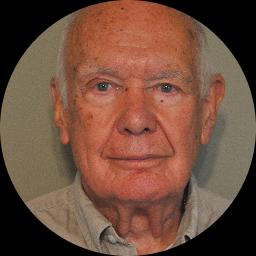
Paul D. Wess, LPCC
Ohio · 30 years in practice
Paul D. Wess is a licensed professional clinical counselor with three decades of experience.
License and registration
- LPCC, Ohio
- E.0003248-SUPV · expires March 2026
- NPI
- 1194124065 · national provider identifier
- Years in practice
- 30
- Languages
- English, Estonian
Details are as listed on the therapist's public professional profile. You can check the license with the issuing state board, and the NPI with the national registry.
About Paul
Paul D. Wess is a licensed professional clinical counselor with three decades of experience. He holds master’s degrees in psychology and sociology and completed substantial doctoral-level coursework reflected in a C.A.G.S.
Paul focuses on helping people who carry the effects of trauma, anxiety, depression, and relationship strain. He emphasizes attention to body, mind, emotions, and spirit in sessions. That means discussing feelings and patterns, noticing bodily responses, and considering personal meaning.
Background and approach
The goal is clearer thinking and more balance rather than quick fixes. Paul draws on Jungian ideas alongside practical therapies like Acceptance and Commitment Therapy and Cognitive Behavioral Therapy. He uses these approaches to help people understand recurring patterns, accept painful thoughts without being driven by them, and test new behaviors that feel more effective.
His work often centers on attachment, abandonment, communication problems, and issues of control and shame. He also supports people facing grief, addictions, mood disorders, panic, and questions about life purpose and sexuality. Sessions can include coaching elements when people want practical steps to change.
Paul offers services in English and Estonian and practices from Ohio. He describes therapy as a collaborative process where the person’s values and goals guide the work. He aims to help people move toward a truer sense of self and steadier daily functioning.
Focus areas and approaches
Everything Paul lists on their public professional profile, in their own terms.
- Stress, Anxiety
- Trauma and abuse
- Anger management
- Bipolar disorder
- Depression
- Addictions
- Relationship issues
- Family conflicts
- Grief
- Intimacy-related issues
- Self esteem
- Coping with life changes
- Coaching
- Compassion fatigue
- Abandonment
- Attachment issues
- Communication problems
- Control issues
- Forgiveness
- Guilt and shame
- Impulsivity
- Isolation / loneliness
- Life purpose
- Men's issues
- Mood disorders
- Panic disorder and panic attacks
- Post-traumatic stress
- Self-love
- Sexuality
- Social anxiety and phobia
Approaches Paul names
- Jungian Therapy
- Acceptance and Commitment Therapy (ACT)
- Client-Centered Therapy
- Cognitive Behavioral Therapy (CBT)
- Dialectical Behavior Therapy (DBT)
- Existential Therapy
- Hypnotherapy
- Mindfulness Therapy
- Narrative Therapy
- Psychodynamic Therapy
- Somatic Therapy
- Trauma-Focused Therapy
- Internal Family Systems
Naming an approach is not evidence of training in it. This directory copies what each therapist lists and does not check training records.
Online support
Therapeutic approaches you can use online
Paul integrates Jungian therapy, Acceptance and Commitment Therapy (ACT), and Client-Centered Therapy into his online work. Jungian therapy focuses on patterns and symbolic meaning to help people understand recurring life themes and a deeper sense of self. ACT teaches skills to accept difficult thoughts and feelings while committing to actions tied to personal values, which can help with avoidance, anxiety, and low motivation. Client-centered therapy prioritizes a supportive, nonjudgmental relationship where the person’s experience guides the pace and focus of sessions.Choosing the right approach is a collaborative process. Paul will listen to your goals and preferences and try methods that suit your needs. Together you can adjust the mix of depth exploration and practical skill-building so sessions feel relevant and doable.
Online formats include video calls, phone sessions, live chat, and text-based messaging, offering flexibility for different days and routines. Video calls are useful for face-to-face conversation and noticing nonverbal signals. Phone sessions can be easier when bandwidth is limited or when someone prefers not to be on camera. Live chat and messaging work well for short check-ins, reflection between sessions, or when writing helps organize thoughts. These options make it simpler to fit therapy into work, travel, or a busy home life.
We will earn a commission if you sign up through our link, at no cost to you. It does not change what you pay or the order of the listings.
Questions people ask
What concerns does Paul commonly address?
He helps people with stress, anxiety, depression, trauma and abuse, bipolar and mood disorders, addictions, grief, relationship and intimacy-related issues, and self-esteem struggles.
What is his therapeutic style like?
Sessions combine depth-oriented exploration with practical tools. Paul pays attention to body, mind, emotions, and personal meaning while offering behavior-based strategies when useful.
How much experience does he bring?
He has 30 years of clinical experience and decades of work helping people with trauma and its common symptoms.
What credentials and location are listed?
He holds the Ohio LPCC credential and completed master’s degrees in psychology and sociology along with a C.A.G.S.; he practices in Ohio.
Which languages are supported?
Sessions are offered in English and Estonian. International clients are not currently accepted.
What session formats are available?
Therapy is offered via video calls, phone sessions, live chat, and text-based messaging to fit different schedules and needs.
How is cost handled for sessions?
Cost varies with location and therapist availability; sessions use a subscription model that can be canceled at any time.
How do I begin working with him?
Use the Start Therapy button, complete a short matching questionnaire, and then schedule sessions according to therapist availability.
More therapists in Ohio
See allLisa Fox
LPCC
Compassionate counselor guiding practical change
- Stress, Anxiety
- Family
- Trauma and abuse
Katrina Spohn
LISW
Curious, practical care for life’s hard moments
- Stress, Anxiety
- Relationship
- Trauma and abuse

Justin Hernandez
LPCC
Compassionate, direct counseling with practical tools
- Stress, Anxiety
- Relationship
- Family

Matthew Digges
LPCC
Compassionate counselor blending meaning and practical tools
- Stress, Anxiety
- LGBT
- Trauma and abuse

Is this your profile?
Ask us to correct details or take the page down.
Contact us