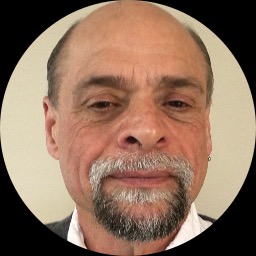
Richard Alongi, LMFT
California · 36 years in practice
Richard Alongi is a Licensed Marriage and Family Therapist (LMFT) in California who helps people facing addiction, relationship strain, anxiety, depression, and life transitions.
License and registration
- LMFT, California
- 19896 · expires December 2027
- NPI
- 1609047216 · national provider identifier
- Years in practice
- 36
- Languages
- English
Details are as listed on the therapist's public professional profile. You can check the license with the issuing state board, and the NPI with the national registry.
About Richard
Richard Alongi is a Licensed Marriage and Family Therapist (LMFT) in California who helps people facing addiction, relationship strain, anxiety, depression, and life transitions. He uses a calm, respectful approach and adapts conversations to each person's situation. His style is direct but compassionate, aimed at practical progress and clearer choices.
With 36 years of clinical experience, Alongi brings a long history of working with issues like trauma, grief, anger, and caregiver stress.
Background and approach
He supports people dealing with intimacy and self-esteem struggles, as well as those coping with career pressures or burnout. He also addresses concerns such as ADHD, codependency, and substance use. His work draws on several approaches, including Jungian therapy, Attachment-Based Therapy, and client-centered methods.
That mix helps him attend to personal history and inner patterns, while keeping sessions grounded in present goals. He often focuses on relationships and the emotional patterns that repeat over time. Sessions are tailored to the person rather than a fixed protocol.
Expect conversations that look at feelings, relationship dynamics, and practical steps you can try between meetings. He encourages honest, clear talk about hopes and setbacks. People who choose Alongi often want a therapist who listens closely and adjusts the path as they go.
He frames therapy as a collaborative effort where the client's priorities guide the work.
Focus areas and approaches
Everything Richard lists on their public professional profile, in their own terms.
- Addictions
- Relationship issues
- Trauma and abuse
- Intimacy-related issues
- Self esteem
- Stress, Anxiety
- Grief
- Anger management
- Career difficulties
- Depression
- Coping with life changes
- Coaching
- Compassion fatigue
- ADHD
- Abandonment
- Aging and geriatric issues
- Attachment issues
- Avoidant personality
- BDSM, kink, and alternative sex culture
- Caregiver issues and stress
- Co-morbidity
- Codependency
- Commitment issues
- Control issues
- Dependent personality
- Dissociation
- Divorce and separation
- Drug and alcohol addiction
- Emptiness
- Family of origin issues
- Fatherhood issues
- Forgiveness
- Gender dysphoria
- Guilt and shame
- Hoarding
- Hospice and end-of-life counseling
- Impulsivity
- Infidelity
- Isolation / loneliness
- Jealousy
- Life purpose
- Men's issues
- Midlife crisis
- Money and financial issues
- Mood disorders
- Narcissism
- Obsessions, compulsions, and OCD
- Personality disorders
- Phobias
- Polyamory / non-monogamous relationships
- Post-traumatic stress
- Prejudice and discrimination
- Process addiction (porn, exercise, gambling)
- Self-love
- Sex addiction
- Sexual dysfunction
- Sexuality
- Social anxiety and phobia
- Women's issues
- Young adult issues
Approaches Richard names
- Jungian Therapy
- Attachment-Based Therapy
- Client-Centered Therapy
- Emotionally-Focused Therapy (EFT)
- Imago Relationship Therapy
- Mindfulness Therapy
- Motivational Interviewing
- Psychodynamic Therapy
- Somatic Therapy
- Trauma-Focused Therapy
Naming an approach is not evidence of training in it. This directory copies what each therapist lists and does not check training records.
Online support
Therapeutic approaches and how they work online
Jungian therapy explores symbols, dreams, and personal stories to help uncover recurring patterns and deeper meanings in life. It can be useful for people wrestling with long-standing feelings of emptiness, identity questions, or repeated relationship patterns.Attachment-Based Therapy looks at how early relationships shape present emotional responses and closeness with others. This approach helps people recognize patterns in intimacy, manage fear of abandonment, and build more reliable ways of connecting.
Finding the right approach is part of the work. The therapist will talk with the client about goals, preferences, and life demands to choose methods that feel useful. That collaboration means approaches can shift over time as needs change.
Online sessions are offered by video call, phone, live chat, or text-based messaging to fit different rhythms. Video sessions let you see nonverbal cues and hold longer conversations. Phone sessions are helpful when bandwidth is limited or when a shorter check-in fits a break at work. Live chat and text messaging allow brief reflections or ongoing support between longer sessions. These options make it easier to schedule regular work and stay consistent with therapy.
We will earn a commission if you sign up through our link, at no cost to you. It does not change what you pay or the order of the listings.
Questions people ask
What concerns does he address?
He works with addictions, relationship and intimacy issues, anxiety, depression, grief, anger, and stress. He also focuses on ADHD, caregiver strain, and co-occurring problems like substance use and codependency.
What is his therapeutic style?
His approach is respectful and adaptive, blending Jungian ideas, attachment work, and client-centered methods. Sessions combine attention to personal history with practical steps for change.
How much experience does he have?
He brings 36 years of professional experience in clinical work. That experience includes helping people with trauma, relationship patterns, and addictions.
What are his credentials and location?
He is a Licensed Marriage and Family Therapist, LMFT, licensed in California. His practice is based in California.
Which languages are supported?
Sessions are offered in English.
What session formats are available?
He offers video calls, phone sessions, live chat, and text-based messaging for therapy. These options let you choose what fits your schedule and comfort.
How does payment and cost work?
Cost varies with location and therapist availability. Sessions use a subscription model that can be canceled at any time.
How do I begin working together?
Start by selecting the Start Therapy button, complete a short matching questionnaire, and then schedule sessions according to therapist availability.
More therapists in California
See allKeith Chilton
LMFT
Helping people find balance through thoughtful therapy
- Stress, Anxiety
- Addictions
- Relationship


Gian Sarabia
LMFT
Therapist blending Jungian insight and practical tools
- Trauma and abuse
- Intimacy-related issues
- Bipolar

Eugene Yamamoto
LCSW
Experienced LCSW blending insight and practical tools
- Stress, Anxiety
- Self esteem
- Depression
Is this your profile?
Ask us to correct details or take the page down.
Contact us