Clinical social work directory
Therapists who work with Foster Care
373 therapists list foster care among the things they work with. All offer sessions online, and every profile shows the registering body, the membership number and when it runs to.
This page lists therapists who identify foster care as a focus in their practice. Browse profiles below to read about therapists' focus areas, approaches, credentials and languages. Use the listings to find providers whose experience and style align with your needs.

Juliette Canham
BACP
Calm, practical psychotherapy for difficult moments
- Stress, Anxiety
- Relationship
- Trauma and abuse

Emmanuel Oragui
BACP
Calm, practical counselling for everyday challenges
- Stress, Anxiety
- Relationship
- Trauma and abuse

Maria "Patti" Lorenzo
LCPC
Practical, compassionate therapy for everyday change
- Trauma and abuse
- Self esteem
- Coping with life changes



Keith Chilton
LMFT
Helping people find balance through thoughtful therapy
- Stress, Anxiety
- Addictions
- Relationship

Mitchell Stevens
BACP
Practical, down-to-earth counselling online
- Stress, Anxiety
- Relationship
- Trauma and abuse

Dr. Akamin Nkengaka
LCSW
Therapist blending meaning and practical skills
- Stress, Anxiety
- Addictions
- Trauma and abuse


Kelley Sullivan
LCSW
Experienced LCSW blending practical skills and depth
- Stress, Anxiety
- Relationship
- Trauma and abuse

Edward Mcguinness
BACP
Compassionate counsellor blending depth and practical tools
- Stress, Anxiety
- Relationship
- Trauma and abuse

Mehreen Haroon-Ali
BACP, NCPS
Empathic counsellor blending Jungian insight and practical skills
- Stress, Anxiety
- Relationship
- Trauma and abuse

Alona Perlin
LCSW
Supportive LCSW blending meaning and practice
- Stress, Anxiety
- Relationship
- Trauma and abuse


James Joseph Beaulieu
LPC
Therapist focusing on deeper meaning and everyday change
- Addictions
- Relationship
- Family


Julie-Ann Huggins
BACP
Experienced counsellor blending insight and action
- Stress, Anxiety
- Relationship
- Trauma and abuse


Jonathan Rosengren
LMSW
Jungian-informed therapist focused on practical change
- Stress, Anxiety
- Addictions
- Relationship


Sunshine Goodfellow
BACP
Calm, relational therapy with Jungian insight
- Stress, Anxiety
- Relationship
- Family

Amanda Webster
NCPS
Practical, person-centred therapy with depth
- Stress, Anxiety
- Addictions
- Trauma and abuse

Ruth Richards
BACP
Practical, compassionate counselling for life’s challenges
- Stress, Anxiety
- Relationship
- Family

Julia Wilkinson
BACP
Compassionate counselling with practical direction
- Stress, Anxiety
- Addictions
- Depression

Christopher Ingram
BACP
Compassionate, integrative counselling for life changes
- Stress, Anxiety
- Addictions
- Trauma and abuse

Robert Lower
ACA
Straightforward counselling for life’s difficult moments
- Stress, Anxiety
- Relationship
- Self esteem

Dr. Gergana Ganeva
BACP
Compassionate depth work for life and relationship challenges
- Stress, Anxiety
- Relationship
- Career


Dr. Ruth Alice Morgan-Jones
BACP
Experienced counsellor with 40 years' practice
- Relationship
- Family
- Grief

Weini Faloppa
BACP
Calm, practical therapy for life and relationships
- Stress, Anxiety
- Relationship
- Trauma and abuse

Faith Cummins
BACP
Guide for meaning making and practical change
- Stress, Anxiety
- Trauma and abuse
- Self esteem

Jennifer Maguire
LPC
Compassionate counselor focused on practical change
- Stress, Anxiety
- Addictions
- Trauma and abuse


Elizabeth Huntoon
LICSW
Therapist blending depth work with practical tools
- Stress, Anxiety
- Addictions
- LGBT
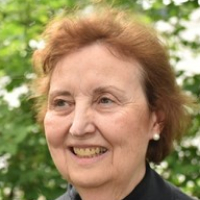
Tatyana Sibthorpe
BACP
Compassionate therapy blending insight and practical tools
- Addictions
- Relationship
- Trauma and abuse

Dr. Ngozi Okose
LPC
Guided depth work with practical tools
- Stress, Anxiety
- Relationship
- Trauma and abuse

Colette Moran
BACP
Experienced integrative counsellor for life changes
- Stress, Anxiety
- Anger
- Self esteem

Chris Rottcher
NCPS
Calm, relational counselling for life’s challenges
- Stress, Anxiety
- Relationship
- Trauma and abuse


Catherine Kearns
BACP
Jungian-informed counsellor focused on practical change
- Stress, Anxiety
- Addictions
- Relationship

Jennifer Mcpherson (Norman)
BACP
Experienced counsellor blending Jungian insight
- Relationship
- Family
- Trauma and abuse

Cindy Hannigan
LPC
Therapist for stress, relationships, and life change
- Stress, Anxiety
- Addictions
- Relationship

Lisa Winn
LPC
Compassionate counselor focused on practical growth
- Stress, Anxiety
- Relationship
- Self esteem

Tommy Fletcher
LICSW, LCSW
Healing through meaning and practical skills
- Stress, Anxiety
- Trauma and abuse
- Intimacy-related issues


Christian Jackson
BACP
Calm, thoughtful Jungian-informed counsellor
- Stress, Anxiety
- Relationship
- Trauma and abuse

Jacqueline "Jacky" Ellis
BACP
Compassionate counsellor combining insight and practical tools
- Stress, Anxiety
- Addictions
- Trauma and abuse

Some links on this page are partner links. We will earn a commission if you sign up through one, at no cost to you. It does not change what you pay or the order of the listings.
Understanding foster care and how it affects people
Foster care refers to the system and arrangements in which children and adolescents live with caregivers when their birth families are unable to provide care. You may encounter many different situations within foster care - brief emergency placements, long-term foster homes, kinship care, group care settings and adoption from foster care. Each pathway brings a unique set of transitions and stressors that can shape a young person’s emotional life, relationships and sense of identity.
Children and caregivers in foster systems often face separation from familiar routines and supports, uncertainty about the future and complex relationships with birth families and professionals. You may notice that school performance, peer relationships or behavior at home shifts after placement changes. For adults who were raised in foster care, early experiences can influence how you relate to trust, attachment and self-worth later in life. Understanding these patterns is a first step in addressing the emotional and practical consequences of foster care involvement.
Common areas affected
When you look closely, foster care commonly touches attachment patterns, regulation of emotion, sense of belonging and experiences of loss. Even when placement provides safety, the process of removal and reunification or the long-term uncertainty of placement decisions can leave lingering questions and wounds. Caregivers, kin and professionals who work in foster systems also encounter stress, burnout and complicated dynamics as they support children through transitions.
Signs you might benefit from therapy focused on foster care
If you are weighing whether to seek therapy for foster-related concerns, several patterns often prompt people to reach out. You might find recurring emotional reactions that feel overwhelming or out of proportion to the present moment. These can include intense anger, persistent sadness, anxiety about separation or sudden behavioral shifts in a child after a placement change. You may also notice difficulties forming or maintaining relationships that you trace back to early caregiving disruptions.
Parents and caregivers sometimes seek therapy because they want better tools for responding to challenging behaviors, to process feelings about reunification or placement decisions, or to navigate communication with birth families and child welfare systems. Adult adoptees and people who grew up in care often pursue therapy to explore identity, attachment wounds and patterns that affect romantic and familial relationships. If you feel stuck repeating patterns from your foster-care past, therapy can provide a space to explore those cycles and try different ways of relating.
When to consider professional help
You do not need a crisis to benefit from therapy. If day-to-day functioning is impacted, if relationships are strained, or if past events are intruding into present life in ways that limit opportunity or wellbeing, a therapeutic relationship focused on foster care concerns can be helpful. Therapy can also be a resource when you are preparing for placement transitions or when you want guidance on supporting a child through the system’s processes and paperwork.
What to expect in therapy sessions that focus on foster care
When you begin foster-care-focused therapy, the initial sessions usually involve gathering a clear history of placement experiences, family relationships and current challenges. A therapist will invite you to describe the events and feelings that brought you in, and they may ask about schooling, medical history and contact with child welfare professionals. This assessment helps form a treatment plan tailored to your goals, whether those goals are symptom relief, processing trauma, improving attachment or strengthening caregiver-child interactions.
Therapy sessions can take many forms depending on who is participating. You might meet individually, participate in family sessions, involve a child and caregiver together, or take part in caregiver coaching sessions. Early work often focuses on creating safety in the therapeutic relationship, building emotional regulation skills and identifying patterns that maintain distress. Over time you may explore past losses, practice new relational responses and rehearse strategies for managing triggers that arise in daily life.
Timing and pacing
The pace of therapy is matched to your needs. You might work on immediate behavioral stabilization for a child and gradually move into deeper attachment work, or you may prioritize processing historical trauma as an adult while also building present-day coping strategies. Expect a mix of reflective conversations, skill-building exercises and practical planning for interactions with schools, caseworkers and family members.
Common therapeutic approaches therapists may use for foster-related work
Therapists who work with foster care often draw from a range of approaches. Many list attachment-informed methods among their approaches because attachment patterns are central to the foster-care experience. Others mention trauma-informed frameworks that emphasize safety, pacing and stabilization before processing traumatic memories. Some therapists list family therapy approaches that focus on improving communication, boundary-setting and parenting strategies within complex family systems.
You will also find therapists who list cognitive-behavioral methods for helping manage anxiety, mood and behavior, and those who list expressive or play-based approaches for younger children to help them process experiences they cannot yet put into words. Additionally, some clinicians list approaches that emphasize developmental and relational stages, helping you make sense of how early experiences shaped expectations and coping strategies. When you read profiles, note which approaches clinicians list and consider how those orientations fit your goals.
How approaches get applied
Therapeutic approaches often combine in practice. For example, you might encounter a therapist who lists both attachment-focused work and behavioral parenting strategies, using structured interventions to reduce immediate behavioral crises while creating opportunities to repair trust over time. If trauma processing is part of your plan, clinicians typically prioritize stabilization and containment skills first, then move into targeted methods that help you integrate difficult memories with present-day safety.
How online therapy works for foster care and tips for choosing the right therapist
Online therapy expands access to clinicians who list foster care among their specialties, letting you connect from different locations when in-person options are limited. You can expect many online sessions to take place via video, though some therapists also offer phone sessions or text-based messaging for supplemental contact. When you choose online therapy, consider how technology fits the needs of a child or adolescent in care, and think about whether you will use a caregiver present model or individual remote sessions depending on age and goals.
Choosing the right therapist involves more than matching a specialty label. Look for profiles that describe experience with populations like yours - whether you are a foster youth, a birth parent, a foster or kin caregiver, or an adult with care history. Pay attention to the approaches therapists list and the populations they mention serving. Consider languages spoken and any cultural competence notes that align with your background. If you have practical needs related to school coordination, court reports or collaboration with child welfare professionals, seek clinicians who describe experience navigating those systems.
Practical selection tips
When you evaluate profiles, read descriptions of focus areas and therapeutic style to see how a clinician frames their work. Some therapists emphasize skill-building and behavior supports, while others highlight narrative exploration of identity and attachment. If you will involve a child, look for clinicians who describe play-based or developmentally attuned approaches. Also note any information about session formats, such as family work or caregiver coaching, to ensure their way of working fits your situation.
Finally, consider logistical details that matter to you - language of service, whether sessions are offered by video or phone, and whether a therapist lists experience coordinating with schools, caseworkers and legal systems. Keeping a clear sense of your priorities - symptom relief, relational repair, practical navigation of foster systems, or identity work - will help you choose a clinician whose profile aligns with your goals. Therapy is a collaborative process, and finding a clinician whose approach feels like a good match increases the likelihood that you will feel supported through the challenges and transitions foster care presents.